7 Days Haridwar Rishikesh with Mathura Vrindavan Tour Package

  1. Home
  2. »
  3. 7 Days Haridwar Rishikesh With Mathura Vrindavan Tour

Enquire Now

Complete Travel Guide For 7 Days Haridwar Rishikesh With Mathura Vrindavan Tour

This Haridwar Rishikesh Mathura Vrindavan 7 day itinerary is for travellers who want the journey to move at a natural pace. It’s planned the way families and senior pilgrims usually experience these places in real life. Mornings are kept for temple visits when the mind is fresh, afternoons for rest, and evenings for aartis and slow walks by the river. Nothing is forced or overfilled, because in spiritual places, rushing often breaks the mood more than it saves time.

What really makes this route work is how smoothly it shifts in feeling. You begin with the flowing, powerful presence of the Ganga in Haridwar and Rishikesh, and slowly move into the softer, more intimate atmosphere of Mathura and Vrindavan. Travel days are handled carefully, darshan timings are realistic, and there’s always space to pause when needed. This Haridwar Rishikesh with Mathura Vrindavan pilgrimage tour reflects on-ground experience and suits travellers who want their journey to feel calm, meaningful, and complete rather than hurried.

7 Days Haridwar Rishikesh With Mathura Vrindavan Tour Itinerary

Day 1: Arriving in Haridwar and easing into the Ganga’s rhythm +

Most people reach Haridwar between late morning and early afternoon, around 11:00 am to 2:00 pm. After check-in, the first few hours are best kept slow. Have lunch, rest a bit, and let the road dust settle.

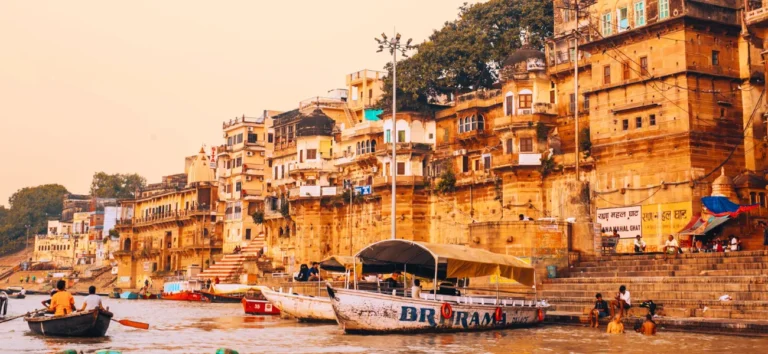
By 4:30 pm, you can start walking towards Har Ki Pauri. Evenings here are busy, yes, but that crowd energy is part of Haridwar’s character.

The Ganga Aarti around 6:30 pm is where the journey really begins. Standing there, watching lamps float away, you realise why people return here again and again. Dinner by 8:30 pm, then early rest.

Day 2: Temple morning in Haridwar, then onward to Rishikesh +

An early start helps. From 6:00 am to 9:00 am, temple visits are calmer and more manageable, especially for elders. Mansa Devi and Chandi Devi are best done before breakfast.

After breakfast around 9:30 am, return to the hotel, pack up, and begin the drive to Rishikesh by 11:00 am. You usually reach by 1:00 or 1:30 pm.

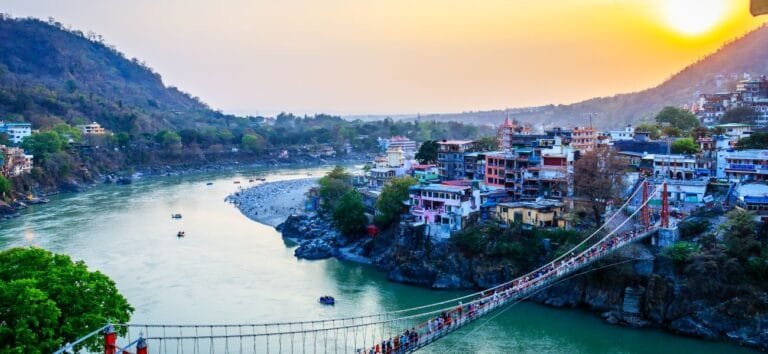
Lunch, rest, no hurry. By 4:30 pm, head out for Ram Jhula and Lakshman Jhula. The evening Aarti at Triveni Ghat around 6:00 pm feels gentler compared to Haridwar. Dinner around 8:30 pm and a quiet night.

Day 3: Rishikesh at a slower, steadier pace +

This day is intentionally lighter. After two active days, the body needs space.

Start with a peaceful riverside walk around 6:30 am. From 8:00 am to 11:00 am, visit Parmarth Niketan or another ashram of your choice. Sit for a while. Don’t rush out.

Lunch by 1:00 pm, followed by rest. Later, between 3:30 pm and 5:00 pm, visit Beatles Ashram if walking feels comfortable. Evening is best spent simply sitting by the Ganga.

Day 4: Rishikesh to Mathura – the longest drive +

This is the longest travel day, so starting early helps reduce fatigue. Leave Rishikesh by 6:00 am after a light breakfast.

With tea and meal breaks, you usually reach Mathura by 3:00 to 4:00 pm. After hotel check-in and rest, step out around 6:00 pm for Vishram Ghat.

The Yamuna Aarti around 7:00 pm is quieter, more inward-looking. Dinner by 8:30 pm. From here, the Braj phase of the journey begins.

Day 5: Mathura temples and Krishna’s birthplace +

Temple mornings work best in Mathura. From 6:00 am to 9:00 am, cover Shri Krishna Janmabhoomi and Dwarkadhish Temple.

Crowds increase sharply after mid-morning, so returning to the hotel by 11:00 am helps. Lunch and rest until 4:30 pm.

In the evening, a gentle visit to Gokul or a short market walk is enough. Early dinner and rest prepare you for Vrindavan.

Day 6: Vrindavan – devotion on foot +

After breakfast around 8:30 am, drive to Vrindavan. It usually takes about an hour.

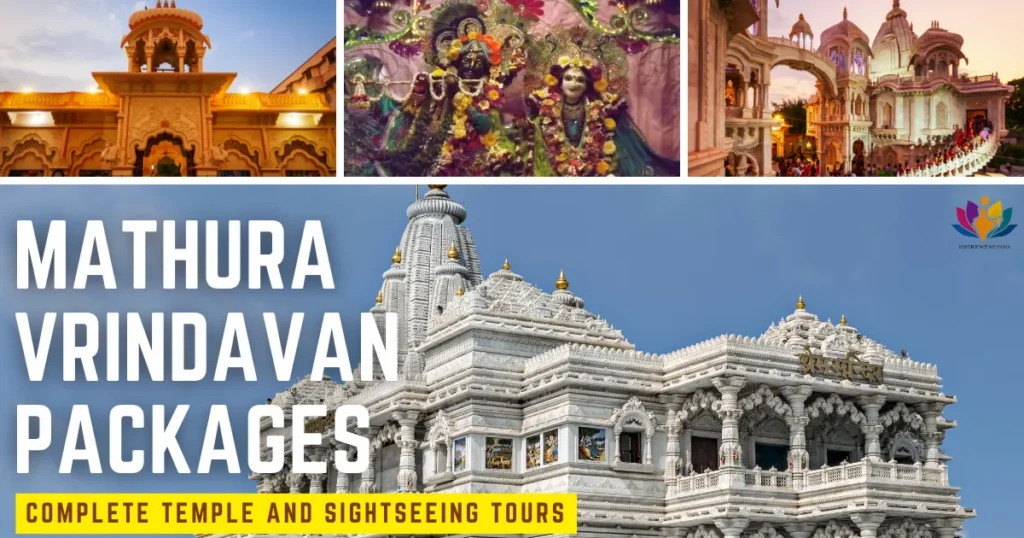
From 10:00 am to 1:00 pm, visit Banke Bihari Temple, ISKCON, and Prem Mandir. Darshan here requires patience. Waiting is part of the experience.

Post-lunch rest is important. In the evening, step out again by 5:30 pm for Prem Mandir lights and Yamuna Aarti around 6:30 pm. For many travellers, this becomes the emotional centre of the journey.

Day 7: Vrindavan mornings and departure +

The final morning is best kept simple. Between 6:30 am and 9:00 am, visit Nidhivan or Seva Kunj, or do a short parikrama if walking feels comfortable.

After breakfast, checkout by 11:00 am. Most travellers leave for Delhi or Agra between 12:00 and 1:00 pm, carrying less inside than when they arrived.

Mathura Vrindavan Tour Package Inclusions

What’s Included

✔️ Pick / Drop to & from your desired location

✔️ Complete Sightseeing by Private AC Vehicle

✔️ All Inclusive of Toll Taxes, State Taxes, Parking, and Driver Allowance

✔️ Breakfast & Dinner

✔️ Onsite Guide Available

Exclusion

Any meal unless specified above

Any Air Fare / Train ticket

Personal nature expenses like telephone / laundry bills etc.

Airports tax and travel insurance etc.

Tour Highlights of 7 Days Haridwar Rishikesh With Mathura Vrindavan Tour

  1. Ganga Aarti at Haridwar in the Evening
    Standing at Har Ki Pauri as the lamps float away is usually the moment when the trip starts feeling real. It’s crowded, yes, but there’s a shared stillness that stays with you long after.

  2. Early Morning Temple Darshan in Haridwar
    Visiting Mansa Devi or Chandi Devi early, before the city wakes up fully, changes the experience completely. Less noise, less pushing, more time to focus.

  3. Quiet Walks Along the Ganga in Rishikesh
    Rishikesh isn’t about doing too much. The simple act of walking by the river in the morning often feels more meaningful than any checklist of places.

  4. Evening Aarti at Triveni Ghat
    Compared to Haridwar, this aarti feels softer and calmer. Many travellers say this is where their mind finally slows down.

  5. Ashram Time Without Rushing
    Sitting inside an ashram for an hour or two, without constantly checking the clock, becomes one of those unexpected highlights people didn’t plan for.

  6. Entering Braj Bhoomi at Mathura
    The moment you reach Mathura after the long drive, there’s a shift in atmosphere. It feels less grand, more personal, and deeply rooted.

  7. Shri Krishna Janmabhoomi Morning Darshan
    Early morning darshan here feels grounded and peaceful. The spiritual weight of the place is easier to absorb when it’s not packed.

  8. Walking Lanes of Vrindavan
    Vrindavan is best experienced on foot. Narrow lanes, temple bells, quiet corners—this is where people feel closest to the place, not from a vehicle.

  9. Evening Lights at Prem Mandir
    Watching Prem Mandir light up after sunset often surprises travellers. It’s calm, spacious, and gives the day a gentle close.

  10. A Journey That Slows You Down
    More than individual temples or aartis, the biggest highlight is how this tour naturally slows your pace. By the end, most travellers feel settled, not tired, which is rare on longer pilgrimages.

Related Mathura Vrindavan Tour Packages

9 Days Vrindavan Mathura Ayodhya Varanasi Tour Package
Special Offer
0(0 reviews)

Book Your 7 Days Haridwar Rishikesh With Mathura Vrindavan Tour – A Calm, Practical Pilgrimage Journey

A 7 Days Haridwar Rishikesh With Mathura Vrindavan Tour is usually chosen by people who are not in a hurry. Families, senior travellers, and pilgrims who want time at temples rather than long checklists. This route works best when days are allowed to flow naturally. Early mornings are kept for darshan, afternoons are slower for rest, and evenings settle around aarti time. That rhythm matters more than covering too many places.

The journey often begins in Haridwar, where the Ganga sets the mood straight away. The evening aarti at Har Ki Pauri is crowded, but standing there helps people mentally leave daily routines behind. From Haridwar, moving on to Rishikesh feels like stepping into a calmer stretch of the journey. The river feels quieter, days feel less packed, and time slows down without effort.

Haridwar Rishikesh Mathura Vrindavan 7 day itinerary explained the way pilgrims travel

A practical Haridwar Rishikesh Mathura Vrindavan 7 day itinerary is not about squeezing everything in. Haridwar and Rishikesh together usually take the first three days. Haridwar mornings are best suited for temple visits, while Rishikesh benefits from lighter days that include ashrams, short walks, and time by the river. This balance helps travellers avoid feeling drained early in the tour.

The journey then moves towards Braj Bhoomi, beginning with Mathura. After the strong flow of the Ganga, Mathura feels more inward and personal. Shri Krishna Janmabhoomi and Vishram Ghat are best visited early, before the crowds build. Afternoons here are usually kept free, which gives the body time to recover from the longer drive.

From Mathura, the route continues to Vrindavan. Vrindavan isn’t about distance, it’s about patience. Temples are close, but darshan takes time. Walking through the lanes, waiting quietly, and spending evenings near the Yamuna shape the experience far more than rushing from one place to another.

7 days spiritual tour Haridwar Rishikesh Mathura Vrindavan for families

A 7 days spiritual tour Haridwar Rishikesh Mathura Vrindavan suits families and senior travellers when rest is treated as part of the plan. Long drives are placed between easier days, temple timings are kept realistic, and evenings are left open whenever possible. This keeps the journey comfortable without losing its depth.

At Mathura Vrindavan Tourism, our experience with pilgrims has shown that a well-paced Haridwar Rishikesh with Mathura Vrindavan pilgrimage tour helps travellers return home feeling calm and settled. When the journey is allowed to unfold naturally, the places leave a deeper impression than any rushed schedule ever could.

FAQs – 7 Days Haridwar Rishikesh With Mathura Vrindavan Tour

1. Is a 7-day Haridwar, Rishikesh, Mathura, and Vrindavan tour enough to cover everything comfortably?

Seven days works well if the plan is paced properly. You get time for Ganga aarti and temple visits in Haridwar, a slower spiritual rhythm in Rishikesh, and unhurried darshan in Mathura and Vrindavan. The key is not rushing mornings or overpacking evenings. When planned sensibly, the journey feels balanced rather than tiring.

2. What kind of travelers is this tour best suited for?

This itinerary suits families, senior travelers, and anyone looking for a calm spiritual journey rather than fast sightseeing. It also works well for first-time visitors who want to understand the flow of North Indian pilgrimage routes without confusion. Couples and solo travelers who enjoy temple visits and quiet evenings also find it comfortable.

3. How physically demanding is this tour for elderly travelers?

The tour is generally manageable, but it does involve walking near ghats and temple corridors. In Haridwar and Vrindavan especially, darshan queues can mean standing for some time. With proper pacing, hotel proximity, and rest breaks, seniors usually manage well, especially when traveling with Mathura Vrindavan Tourism, which plans days with realistic movement.

4. What is the best time of year to do this 7-day spiritual tour?

October to March is the most comfortable window due to pleasant weather. Summers can be hot in Mathura and Vrindavan, while monsoon months bring humidity and crowded ghats in Haridwar. Winter mornings may be chilly, but darshan and evening aartis feel peaceful and less exhausting.

5. Does the tour include famous aartis and temple rituals?

Yes, this journey is usually planned around key spiritual moments. Ganga Aarti at Haridwar, evening rituals in Rishikesh, Janmabhoomi darshan in Mathura, and temple visits in Vrindavan are central to the experience. The idea is not just visiting places but being present during their most meaningful hours.

6. How much travel time is involved between destinations?

There are two longer travel days, mainly between Rishikesh and Mathura. These drives are usually planned with breaks, meals, and rest stops so the journey doesn’t feel overwhelming. When routes and timings are handled well, road travel becomes part of the experience rather than a strain.

7. Is this tour suitable for children?

Yes, children can join, especially if they are used to travel and short walks. Rishikesh’s calmer environment and evening aartis often hold their attention, while Vrindavan’s temple stories and festivals spark curiosity. Parents should just plan rest time and avoid peak crowd hours.

8. What kind of accommodation is usually included in this tour?

Most travelers prefer clean, comfortable hotels close to temples or ghats rather than luxury resorts. This saves travel time and allows early-morning or late-evening visits without stress. Mathura Vrindavan Tourism generally focuses on location, cleanliness, and quiet surroundings over flashy features.

9. Are meals and food options easy during the journey?

Food is not an issue on this route. Vegetarian meals are widely available in all four destinations. Simple North Indian food, satvik options near temples, and hotel restaurants cover most needs. Travelers with medical or dietary concerns should mention it in advance so meals can be adjusted smoothly.

10. Why choose Mathura Vrindavan Tourism for this 7-day tour?This route needs thoughtful planning, not just hotel bookings and transport. Mathura Vrindavan Tourism understands crowd patterns, temple timings, and realistic travel pacing, which makes the journey feel calm and organized. Their focus is on helping travelers experience the places properly, not rushing through a checklist.

This route needs thoughtful planning, not just hotel bookings and transport. Mathura Vrindavan Tourism understands crowd patterns, temple timings, and realistic travel pacing, which makes the journey feel calm and organized. Their focus is on helping travelers experience the places properly, not rushing through a checklist.
Scroll to Top

Get Free Quote

Fill out the form below, and we will be in touch shortly.
Contact Information