There’s a moment most people from Delhi recognise. You want to visit Mathura and Vrindavan, but the planning feels heavier than the journey itself. Temple timings don’t line up. Traffic predictions feel unreliable. And everyone seems to have a different opinion on whether one day is enough or two days are better.
In my experience, Mathura Vrindavan tour packages work only when they respect rhythm. Not speed. This region isn’t meant to be rushed through like a checklist. Darshan has its own pace. Ghats have their own silence. And roads, honestly, follow their own rules.
This guide breaks things down simply. What these tour packages actually include. How temple darshan fits into real timings. Where sightseeing makes sense. And how to travel without turning devotion into exhaustion.
Book Now Your Mathura Vrindavan Tour Package.
About Mathura Vrindavan Tour Packages
Mathura and Vrindavan aren’t destinations you “do.” They’re places you enter slowly.
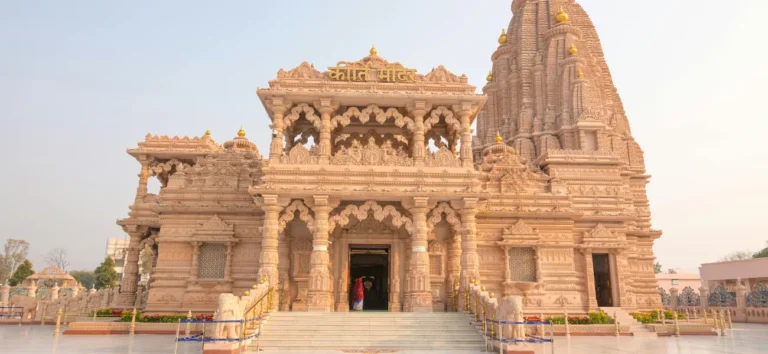
Most Mathura Vrindavan tour packages focus on temple darshan first, sightseeing second. That order matters. Mathura connects you to Krishna’s birth. Vrindavan shows you how he lived, played, and disappeared into devotion.
These packages usually cover:
- Mathura temples and ghats
- Vrindavan’s main darshan circuit
- Optional Barsana or Goverdhan extensions
- Travel from Delhi with time buffers
Surprisingly, the best packages are the simplest ones. Fewer stops. Clear timing. Space to breathe.
Why Mathura Vrindavan Feels Different From Other Temple Tours
Here’s the thing. Mathura and Vrindavan don’t behave like typical pilgrimage towns.
Darshan windows are narrow. Bankey Bihari Ji doesn’t allow continuous viewing. Dwarkadheesh follows strict aarti slots. And local movement often takes longer than maps suggest.
I’ve found that travellers who enjoy this trip most are the ones who accept these constraints instead of fighting them. When the package respects temple culture, the experience feels calm. When it doesn’t, everything feels rushed.
Temple Timings in Mathura Vrindavan (Important for Planning)
Temple timing awareness is the backbone of all Mathura Vrindavan temple tour packages. Below is a clear, usable table you can actually plan around.
Explore All Our Tour Packages.
Major Temple Timings Table
| Temple Name | Morning Timings | Evening Timings |
| Shri Krishna Janmabhoomi (Mathura) | 5:00 AM – 12:00 PM | 2:00 PM – 8:00 PM |
| Dwarkadheesh Temple (Mathura – Summer) | 6:30 AM – 10:30 AM | 4:00 PM – 7:00 PM |
| Dwarkadheesh Temple (Winter) | 6:30 AM – 10:30 AM | 3:30 PM – 6:00 PM |
| Vishram Ghat Aarti (Summer) | 7:00 AM – 7:15 AM | 6:45 PM – 7:00 PM |
| Vishram Ghat Aarti (Winter) | 6:45 AM – 7:00 AM | 6:45 PM – 7:00 PM |
| Bankey Bihari Temple (Summer) | 7:45 AM – 12:00 PM | 5:30 PM – 9:30 PM |
| ISKCON Vrindavan | 5:00 AM onwards | Till 8:00 PM |
| Prem Mandir | 5:00 AM – 12:00 PM | 4:30 PM – 8:30 PM |
Local Guide Tip: Never assume temples stay open continuously. Always plan around closing gaps, especially midday.
Ghats and Aarti Experience
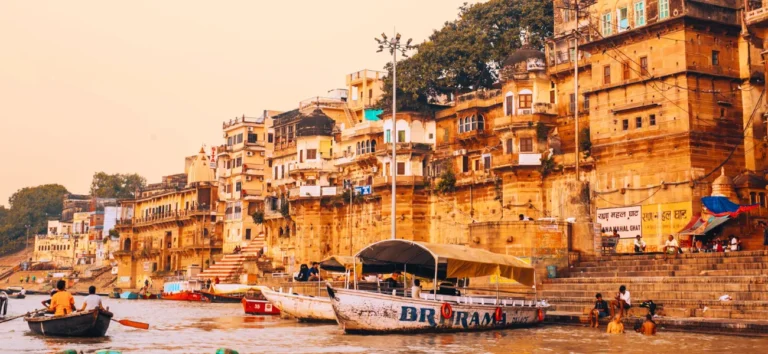
Ghats in Mathura and Vrindavan aren’t sightseeing spots. They’re pauses.
Key Ghat Experiences
- Vishram Ghat (Mathura): Evening Yamuna Aarti feels grounded, not crowded.
- Keshi Ghat (Vrindavan): Best for early mornings when the town is quiet.
- Kaliya Ghat: Less visited, more reflective.
In my experience, people who skip ghats miss the emotional balance of the trip. Temples give intensity. Ghats give release.
Places to See Around Mathura and Vrindavan
Mathura Vrindavan sightseeing tour packages usually include nearby spiritual extensions. Not everything needs to be done, but knowing options helps.
Nearest Places to See
- Goverdhan Hill: Best for half-day visits, especially parikrama routes.
- Barsana: Shri Ji Temple and Holi-related sites.
- Nandgaon: Calm, less crowded, deeply devotional.
Honestly, adding too many places weakens the experience. Choose one extension at most.
Best Time to Visit Mathura Vrindavan
Timing shapes everything here.
Season-wise Reality
- October to March: Best weather, heavy crowds.
- April to June: Hot but manageable with early starts.
- Monsoon: Quiet, unpredictable, emotionally beautiful.
Festivals bring energy but also chaos. Holi, Janmashtami, and Kartik month need experienced planning.
Local Guide Tip: If this is your first visit, avoid festival days. Return later when you know the terrain.
How to Reach Mathura Vrindavan from Delhi
Travel planning decides whether your tour feels smooth or strained.
By Car
- Route 1: Yamuna Expressway
- Distance: ~183 km
- Time: 3 to 3.5 hours
- Predictable and smooth
- Route 2: NH 44
- Distance: ~165 km
- Time: 4 to 4.5 hours
- More traffic, less reliable
By Train
- Delhi to Mathura Junction: 2.5 to 3 hours
- Trains are frequent, but last-mile travel still matters
And By Air
- Nearest airport: Agra or Delhi
- Not practical unless combining with other cities
I’ve found road travel works best for flexible temple timing adjustments.
Why Mathura Vrindavan Tourism Fits This Journey Well
Mathura Vrindavan trips fail when schedules look perfect on paper but collapse on the ground.
Mathura Vrindavan Tourism focuses on realistic pacing. Temple timings are treated as fixed anchors, not flexible suggestions. Movement between Mathura and Vrindavan includes buffer time. And sightseeing is adjusted based on crowd flow, not rigid plans.
As a planning support partner, this approach suits travellers who want devotion without stress.
Contact Mathura Vrindavan Tourism Today:
Call Us: +91 7300620809
WhatsApp Us: +91 7300620809
Visit Our Website: Mathura Vrindavan Tourism
Email: mathuravrindavantourism.com@gmail.com
Mathura Vrindavan Tourism is a Unit of Experience My India
Experience My India trip advisor review – Click Here
FAQs: Mathura Vrindavan Tour Packages for Temple Darshan and Sightseeing
Ideally, 2 days work best for a comfortable visit. One day can feel rushed because temple timings are strict and darshan gaps are real. If you want ghats, temples, and a calmer pace, two days give enough breathing space.
Delhi to Mathura is around 180–185 km via the Yamuna Expressway and usually takes 3 to 3.5 hours. Vrindavan is about 10 km from Mathura, but local traffic can still take 30–40 minutes during peak hours.
Temple timings are mostly fixed but seasonal variations exist, especially in winter and summer. Temples like Bankey Bihari Ji and Dwarkadheesh have strict opening and closing slots, so planning around timings is essential.
It’s possible, but not ideal. One-day trips usually cover only Krishna Janmabhoomi and Bankey Bihari Temple. You miss ghats, aarti, and the slower devotional rhythm that makes the journey meaningful.
Most travellers start with Shri Krishna Janmabhoomi in Mathura early morning. After that, moving to Vrindavan for Bankey Bihari Ji and ISKCON works better, especially before afternoon closures.
Morning shringar darshan between 8:00 AM and 11:00 AM is the most balanced. Evening darshan can be crowded, especially on weekends. There is no continuous darshan, so timing matters a lot.
Most Mathura Vrindavan tour packages include Vishram Ghat aarti in the evening. However, some short packages skip it due to time pressure. It’s always better to confirm ghat visits in advance.
Yes, but only with proper planning. Early darshan slots, fewer temple hops, and minimal walking help a lot. Avoid peak summer and major festivals if elderly travellers are part of the group.
October to March offers the most comfortable weather. Summers can be exhausting due to heat, while monsoon months are quieter but unpredictable. Festivals bring energy but also heavy crowds.
They can be, but it requires strong local timing awareness. Without guidance, people often miss darshan windows or wait unnecessarily. A well-planned package helps balance temples, travel, and rest.
Conclusion
Mathura Vrindavan tour packages aren’t about covering distance. They’re about learning when to wait.
When darshan is timed properly, when ghats are allowed to slow you down, and when travel isn’t rushed, the journey settles into something deeper. You return without exhaustion. Without regret. And often with a quiet pull to come back again.
That’s how this land works. Slowly. Honestly. On its own terms.