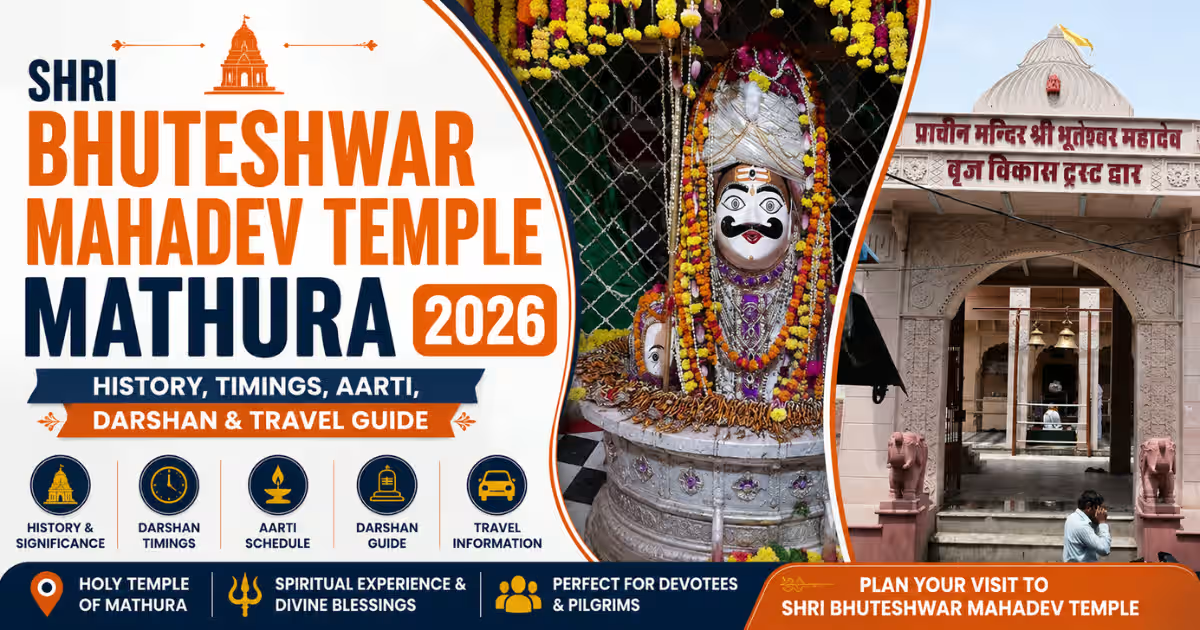
Shri Bhuteshwar Mahadev Temple Mathura is open 5:00 AM to 1:00 PM (morning) and 4:30 PM to 10:30 PM (evening). Entry is free. The temple is the western guardian deity (Kshetrapal) of Mathura, a sacred Shakti Peeth and the traditional start and end point of the 84 Kos Braj Parikrama. Local tradition holds that a Mathura pilgrimage is incomplete without darshan here. Experience My India includes Bhuteshwar Mahadev in all Mathura tour packages from ₹1,999 per person. WhatsApp +91-7302265809.
Most visitors to Mathura follow the standard circuit – Krishna Janmabhoomi, Dwarkadhish Temple, Vishram Ghat, perhaps Gokul. They return having experienced Krishna’s birthplace but missing the deity who guards that birthplace. Shri Bhuteshwar Mahadev Temple, standing at the Bhuteshwar Crossroad in the heart of Mathura, is that guardian – Lord Shiva in the form of Bhuteshwar, the protector of all Braj.
I am Gurudutt, born and raised in Braj Bhoomi and the founder of Experience My India. Since 2018, I have guided 50,000+ pilgrims through Mathura – and I begin almost every Mathura darshan day at Bhuteshwar Mahadev. The local tradition is unambiguous: a Mathura pilgrimage is considered incomplete without seeking the blessings of the city’s Kshetrapal deity.
By the end of this guide you will know the complete darshan and aarti schedule, the full historical context, the significance of the Shakti Peeth and Patal Devi Cave, the 84 Kos Parikrama connection, how to reach the temple and what to include in a combined Mathura visit.
Why Shri Bhuteshwar Mahadev Temple Is Essential for Mathura Pilgrims
In the Hindu tradition of Braj, every sacred city has a Kshetrapal – a guardian deity who watches over the city, its residents and its pilgrims. Mathura’s Kshetrapal is Lord Shiva in his form as Bhuteshwar – the lord of all beings (bhutas). He stands at the western gate of the city, protecting Braj from negative forces and ensuring that pilgrims who enter receive the full benefit of their yatra.
The local Braj tradition holds that darshan at Bhuteshwar Mahadev before visiting Krishna Janmabhoomi and the other Vaishnav temples is not optional – it is the beginning of a correctly performed Mathura pilgrimage. The deity must be propitiated before entering the inner sanctums of Krishna’s birthplace, in the same way that one might seek Ganesh’s blessings before any significant undertaking.
What makes Bhuteshwar Mahadev additionally significant is its dual identity – it is simultaneously a major Shiva temple in a city dominated by Vaishnav traditions and a recognized Shakti Peeth where the hair (ringlets) of Mata Sati fell. This dual Shaiva-Shakta significance is rare and draws both Shiva devotees and pilgrims of the Devi tradition.
Experience My India includes Bhuteshwar Mahadev in every Mathura itinerary because skipping it means beginning your Krishna darshan without the guardian deity’s permission – which no Braj-born guide would allow. WhatsApp +91-7302265809.
Shri Bhuteshwar Mahadev Temple Mathura – Complete Timings 2026
| Session | Opening Time | Closing Time | Notes |
| Morning darshan | 5:00 AM | 1:00 PM | Includes Mangala Aarti + Abhishekam window |
| Afternoon closure | 1:00 PM | 4:30 PM | Deity rests – temple closed |
| Evening darshan | 4:30 PM | 10:30 PM | Includes evening aarti at 6:30 PM + Shayana Aarti at 9:00 PM |
Festival and special occasion extensions: During Maha Shivratri and the entire month of Shravan (July-August), temple timings extend significantly. The Shravan month sees the highest footfall at Bhuteshwar Mahadev – Shiva devotees perform Kanwar Yatra bringing Ganga water from Haridwar specifically to offer Abhishekam here. Arrive significantly earlier during Shravan Mondays.
Best visiting time: The morning session from 5:00 AM to 8:00 AM gives the most peaceful darshan – particularly before 7:00 AM when the Mangala Aarti atmosphere is at its most devotional and the crowd is still small. Experience My India positions all Mathura tour groups at Bhuteshwar Mahadev at 5:30-6:00 AM before the Krishna Janmabhoomi visit. WhatsApp +91-7302265809.
Book Your Mathura Vrindavan Tour Package
Daily Aarti Schedule – Mangala, Abhishekam, Evening and Shayana Aarti
| Aarti / Ritual | Time | Duration | Description |
| Mangala Aarti | 5:00-7:00 AM | 45 minutes | Morning awakening of the deity – most auspicious of the day |
| Abhishekam (Milk Bath) | 6:00-11:00 AM | Continuous window | Devotees can offer milk, water or Panchamrit for ritual bathing of the Shivling |
| Evening Aarti | 6:30-7:00 PM | 30 minutes | Atmospheric evening ceremony with lamps and incense |
| Shayana Aarti | 9:00 PM | 20-30 minutes | Final aarti before the deity is put to rest |
Abhishekam participation: The Abhishekam window (6:00 AM to 11:00 AM) allows individual devotees to offer their own Panchamrit (a mix of milk, curd, honey, ghee and sugar) or simple water for ritual bathing of the Shivling. A nominal fee applies if you want to arrange a personalized Rudrabhishek puja through the temple priests – this is handled through local Goswami-type pujari arrangements. Experience My India can coordinate Rudrabhishek puja bookings as part of any Mathura tour. WhatsApp +91-7302265809.
Shravan Monday special: During Shravan (July-August), Mondays at Bhuteshwar Mahadev draw particularly large crowds of Shiva devotees. Arriving before 6:00 AM on a Shravan Monday is strongly recommended.
History and Mythological Significance of Shri Bhuteshwar Mahadev Temple
Shri Bhuteshwar Mahadev Temple carries one of the oldest and most complete mythological lineages of any temple in the Braj region – connecting Treta Yuga origins, the founding of Mathura city and the eternal guardianship role of Shiva in the Krishna tradition.
Origin according to Vedic tradition: The temple’s mythological foundation dates to the Treta Yuga – the second age of the Hindu cosmic cycle, preceding the Dwapara Yuga in which Krishna appeared. According to this tradition, Shatrughna – the youngest of the four sons of King Dasharatha and younger brother of Lord Rama – was charged by Rama with establishing the city of Mathura after defeating the demon Madhu.
Having vanquished Madhu and founded Mathura, Shatrughna established Bhuteshwar Mahadev at the western perimeter of the new city. Lord Shiva took residence here as the city’s protector – the Kshetrapal – and has been worshipped continuously in this role since Mathura’s founding.
The Kshetrapal role – practical and spiritual: As Kshetrapal, Bhuteshwar Mahadev’s function is not merely symbolic. In the Braj theological framework, Shiva guards the entrance to Krishna’s domain – without Shiva’s protection, the sacred energy of Mathura would be vulnerable. The deity faces westward – the direction of sunset and of potential threats – specifically to guard the city.
Key historical facts:
| Historical Detail | Information |
| Origin period | Treta Yuga (predates Krishna’s appearance in Dwapara Yuga) |
| Founded by | Shatrughna – younger brother of Lord Rama |
| Function | Kshetrapal (guardian deity) of Mathura city |
| Deity form | Lord Shiva as Bhuteshwar (lord of all beings) |
| Facing direction | West – guarding the western approach to Mathura |
| Dual significance | Shiva temple + Shakti Peeth |
| Parikrama connection | Traditional start and end point of 84 Kos Braj Parikrama |
Shakti Peeth Significance – Where Mata Sati’s Hair Fell
The additional Shakti Peeth significance of Bhuteshwar Mahadev Mathura stems from the ancient legend of Sati and Shiva – one of Hinduism’s foundational narratives.
According to the Puranas, Mata Sati – wife of Lord Shiva – immolated herself in grief and protest after her father Daksha insulted Shiva by excluding him from a grand yajna (fire sacrifice). Shiva, consumed by grief, wandered the universe carrying Sati’s body. To end Shiva’s grief and restore cosmic order, Lord Vishnu used his Sudarshana Chakra to dismember Sati’s body as Shiva carried it. The 51 (or 108, by different accounts) body parts fell at various locations across the Indian subcontinent – each falling point becoming a Shakti Peeth, among the most sacred pilgrimage sites in the Hindu tradition.
At Bhuteshwar Mahadev Mathura, it is believed that Mata Sati’s ringlets (hair) fell – making this location both a Shiva temple and a Shakti Peeth simultaneously. This dual consecration is unusual and elevates Bhuteshwar Mahadev’s significance beyond a standard Shiva temple to a site sacred to both the Shaiva and Shakta devotional traditions.
For Devi pilgrims traveling the Shakti Peeth circuit, Bhuteshwar Mahadev in Mathura is therefore a mandatory stop – not typically mentioned in standard Mathura guides, but known to experienced Devi pilgrims.
View Our 2 Days Mathura Vrindavan Tour Package
Patal Devi Cave – The Hidden Sacred Site Inside the Temple
Within the Bhuteshwar Mahadev temple courtyard exists one of Mathura’s most historically significant and least-publicized sites – the Patal Devi Cave.
According to local tradition and mythological accounts, this underground cave is the exact site where the tyrannical King Kansa – the maternal uncle who sought to kill Krishna from birth – performed intense rituals and worshipped the goddess in the hope of gaining power and protection from the predicted death at Krishna’s hands.
The cave is accessed by descending into the temple courtyard – it is not a deep or dangerous descent but an atmospheric underground chamber that feels distinctly different from the temple above. The presence of a goddess shrine within what is primarily a Shiva temple reflects the composite devotional character of Bhuteshwar Mahadev as a site.
| Patal Devi Cave Details | Information |
| Location | Within Bhuteshwar Mahadev temple courtyard |
| Type | Underground chamber with deity shrine |
| Historical connection | Site associated with King Kansa’s rituals and goddess worship |
| Entry | Free – included in general temple entry |
| Best time to visit | During morning darshan 5:00-9:00 AM when temple is less crowded |
| Photography | Generally permitted – respect the atmosphere |
Experience My India includes Patal Devi Cave as part of every Mathura darshan that includes Bhuteshwar Mahadev – most first-time visitors are unaware it exists.
The 84 Kos Braj Parikrama Connection
One of the most significant but least-known facts about Bhuteshwar Mahadev Temple Mathura is its central role in the 84 Kos Braj Parikrama – the sacred circumambulation of the entire Braj Mandal region.
The 84 Kos Parikrama covers approximately 270 km (84 kos in the traditional unit of measurement) and encompasses all the sacred forests and sites associated with Krishna’s life across the Braj region – Vrindavan, Mathura, Govardhan, Radha Kund, Barsana, Nandgaon and surrounding areas.
Bhuteshwar Mahadev’s role: Every year during the Hindu month of Bhadrapada (August-September), the traditional 84 Kos Braj Parikrama begins and concludes at Bhuteshwar Mahadev Temple. The logic is consistent with the temple’s Kshetrapal role – the guardian deity of Braj is both the witness at the beginning of the pilgrimage and the final destination at its conclusion.
Thousands of pilgrims who undertake the full 84 Kos Parikrama (typically 5-7 days on foot or 2-3 days by vehicle) begin with darshan at Bhuteshwar Mahadev and return to offer their respects at the same temple upon completing the circuit.
Experience My India offers the 84 Kos Parikrama by vehicle with guided stops – beginning at Bhuteshwar Mahadev. WhatsApp +91-7302265809 for details.
View Our 5 Days Braj 84 Kosh Yatra
How to Reach Shri Bhuteshwar Mahadev Temple Mathura
| From | Mode | Distance | Time | Notes |
| Mathura Junction (railway station) | Auto/e-rickshaw | 3 km | 10-15 minutes | ₹40-₹60 per auto |
| Mathura Old Bus Stand | Auto/e-rickshaw | 2.3 km | 8-12 minutes | ₹30-₹50 per auto |
| Krishna Janmabhoomi | Walking/auto | 1.2 km | 5-8 minutes walk | Directly adjacent – easy walking distance |
| Dwarkadhish Temple | Walking/auto | 1.5 km | 8-10 minutes walk | Standard Mathura darshan circuit |
| Vishram Ghat | Auto | 1 km | 5 minutes | On the route between ghat and Janmabhoomi |
| Agra | Road | 60 km | 1.5 hours | NH44 to Mathura then local auto |
| Delhi | Road | 160 km | 3 hours | Yamuna Expressway + NH44 |
Address: Bhuteshwar Crossroad, Mathura, Uttar Pradesh
Landmark: The temple sits at the prominent Bhuteshwar Chauraha (crossroads) – one of Mathura city’s central intersections. It is easily identifiable and well-known to all local transport drivers.
Parking: Limited near the temple due to central city location – park at nearby areas and walk/take an auto for the final 200-300 metres.
Experience My India drops every Mathura tour group at Bhuteshwar Mahadev first before the main Mathura circuit. WhatsApp +91-7302265809.
Nearby Temples and Places to Combine in One Mathura Visit
Bhuteshwar Mahadev Temple’s central location makes it an ideal anchor point for a complete Mathura darshan circuit. The following sites are all within 1.5 km.
| Site | Distance from Bhuteshwar | Time Needed | Significance |
| Shri Krishna Janmabhoomi | 1.2 km | 60-90 minutes | Krishna’s birthplace – the primary Mathura pilgrimage site |
| Potara Kund | 0.8 km | 20-30 minutes | Sacred pond where baby Krishna’s clothes were washed |
| Dwarkadhish Temple | 1.5 km | 30-45 minutes | Major Vaishnav temple with ornate architecture |
| Vishram Ghat | 1 km | 30-45 minutes | Primary Yamuna ghat – sacred bathing site |
| Kans Qila | 1.2 km | 20 minutes | 16th century Akbar fort – historic landmark |
| Mathura Museum | 2 km | 45-60 minutes | Significant Mathura school of sculpture collection |
Recommended Mathura darshan sequence: Bhuteshwar Mahadev (5:30-7:00 AM) → Krishna Janmabhoomi (7:00-9:00 AM) → Dwarkadhish Temple (9:00-10:00 AM) → Vishram Ghat (10:00-11:00 AM) → Potara Kund (brief stop) → lunch break → Vrindavan (afternoon/evening)
Experience My India uses this exact sequence for all Mathura tour groups – Bhuteshwar Mahadev first, always. WhatsApp +91-7302265809.
🙏 Planning a complete Mathura darshan with Bhuteshwar Mahadev? Experience My India’s Same Day Mathura Vrindavan Tour Package starts with Bhuteshwar Mahadev at 5:30 AM, covers Krishna Janmabhoomi, Dwarkadhish and Vishram Ghat, then continues to Vrindavan for Banke Bihari and Prem Mandir light show. From ₹1,999 per person. View Same Day Mathura Vrindavan Tour
Visitor Guide – Entry Fee, Dress Code and Rudrabhishek Puja
Entry: Completely free. No ticket required for general darshan.
Dress code:
- Covered shoulders and knees mandatory – no shorts, sleeveless tops or revealing clothing
- Footwear must be deposited at the temple entrance shoe counter (free)
- Traditional Indian attire is recommended and appreciated by temple staff
Photography: Generally permitted in the outer courtyard and approaching areas – follow the guidance of temple staff near the inner sanctum.
Rudrabhishek Puja: If you want to arrange a personal Rudrabhishek (ritual pouring of sacred substances over the Shivling) – a significant spiritual experience at Bhuteshwar Mahadev – a nominal fee applies through the temple priests. This is not booked through an official ticket system; it is arranged directly with the pujari on arrival or pre-arranged through a verified operator like Experience My India. WhatsApp +91-7302265809 to pre-arrange Rudrabhishek as part of your Mathura visit.
Best day to visit:
- Monday is the most auspicious day for Shiva worship throughout the year
- Maha Shivratri (February/March) is the peak annual festival – arrive before 5:00 AM
- Shravan month (July-August) Mondays draw extremely large crowds – arrive before 6:00 AM
- Regular weekday mornings 5:30-7:30 AM are the most peaceful for darshan
| Festival | Crowd Level | When to Arrive |
| Maha Shivratri | Extremely high | Before 5:00 AM |
| Shravan Mondays | Very high | Before 6:00 AM |
| Regular Monday | Moderate | Before 7:00 AM |
| Weekday (non-Monday) | Low | 5:30-8:00 AM comfortable |
| Weekday evening | Low-moderate | 5:00-6:30 PM |
Ground Truth – What Nobody Tells You About Bhuteshwar Mahadev Temple
1. Most standard Mathura tour itineraries skip Bhuteshwar Mahadev entirely – this is considered incomplete by all local Braj guides. If your Mathura tour plan starts at Krishna Janmabhoomi without first visiting Bhuteshwar Mahadev, you have begun the pilgrimage incorrectly according to the local tradition. Experience My India has never started a Mathura darshan day anywhere other than Bhuteshwar Mahadev since 2018.
2. The Patal Devi Cave is inside the temple but most visitors leave without seeing it. Because the cave is not prominently signposted and is not mentioned in most tourist information, the majority of visitors to Bhuteshwar Mahadev complete their darshan at the main Shivling and leave without descending to the Patal Devi chamber. Experience My India guides always lead groups to the cave – it adds 15 minutes and is among the most atmospheric experiences at this temple.
3. Bhuteshwar Mahadev is simultaneously a Shakti Peeth – most Devi pilgrims traveling the Peeth circuit don’t know this. The majority of pilgrims visiting Mathura’s Shakti Peeth significance are unaware that Bhuteshwar Mahadev IS the Shakti Peeth – not a separate temple. The Devi tradition and the Shiva temple are housed at the same location. Experience My India briefs all groups on this dual significance before arrival.
4. The 84 Kos Braj Parikrama begins and ends at this temple every Bhadrapada month – creating a uniquely powerful seasonal atmosphere. During Bhadrapada (August-September), Bhuteshwar Mahadev transforms into the living anchor of one of North India’s great pilgrimage circuits. The energy of thousands of Parikrama pilgrims beginning and concluding their yatra here gives the temple a seasonal character unlike any other time of year.
5. Arriving at Bhuteshwar Mahadev between 5:30 AM and 6:30 AM on a regular weekday gives darshan with fewer than 50 people. This is the temple’s quietest and most spiritually potent window. After 8:00 AM, the crowd from nearby Krishna Janmabhoomi begins spilling over. Before 7:00 AM on a non-Monday weekday, Bhuteshwar Mahadev is nearly private.
Frequently Asked Questions – Shri Bhuteshwar Mahadev Temple Mathura
At Shri Bhuteshwar Mahadev Temple Mathura, the daily aarti schedule is: Mangala Aarti from 5:00 AM to 7:00 AM (morning awakening); Abhishekam (Shivling milk bath ritual) from 6:00 AM to 11:00 AM; Evening Aarti from 6:30 PM to 7:00 PM; and Shayana Aarti (deity rest) at 9:00 PM. During Maha Shivratri and the month of Shravan, timings may extend. Experience My India plans all Mathura visits around these aarti windows. WhatsApp +91-7302265809.
Shri Bhuteshwar Mahadev Temple dates to the Treta Yuga according to Vedic tradition. It was established by Shatrughna – younger brother of Lord Rama – after he defeated the demon Madhu and founded Mathura city. Lord Shiva took the form of Bhuteshwar (lord of all beings) to serve as the city’s Kshetrapal (guardian deity), facing westward to protect Mathura from negative forces. The temple is also a Shakti Peeth where Mata Sati’s hair fell. Experience My India includes this full context in all guided Mathura tours. WhatsApp +91-7302265809.
A complete Mathura darshan circuit – Bhuteshwar Mahadev, Krishna Janmabhoomi, Dwarkadhish Temple, Vishram Ghat and Potara Kund – takes approximately 4 to 5 hours when done correctly without rushing. Krishna Janmabhoomi alone requires 60-90 minutes including security and queue time. Bhuteshwar Mahadev requires 30-45 minutes for darshan and the Patal Devi Cave visit. Experience My India covers the full Mathura circuit in one well-timed morning (5:30-11:30 AM). WhatsApp +91-7302265809.
Krishna Janmabhoomi (Shri Krishna Janmabhoomi Trust) does not operate a formal VIP darshan system as of May 2026. All visitors enter the security queue together – there is no official ticketed fast-track. The Janmabhoomi queue varies from 30-45 minutes on quiet weekday mornings to 2-3 hours on weekends and festivals. Experience My India times Janmabhoomi visits for 7:00-9:00 AM weekday mornings to minimise queue time. WhatsApp +91-7302265809.
Yes – Shri Bhuteshwar Mahadev Temple Mathura is recognized as a Shakti Peeth where Mata Sati’s ringlets (hair) fell when Lord Vishnu’s Sudarshana Chakra dismembered Sati’s body as Shiva carried it. This makes the temple sacred to both the Shaiva tradition (as a major Shiva temple and the Kshetrapal of Mathura) and the Shakta tradition (as a Shakti Peeth). Experience My India explains this dual significance in detail during all Mathura guided tours. WhatsApp +91-7302265809.
Patal Devi Cave is an underground chamber located within the Bhuteshwar Mahadev temple courtyard. According to local tradition, this is the exact site where King Kansa – the tyrant who sought to kill infant Krishna – performed intense rituals and worshipped the goddess, seeking protection from Krishna’s predicted vengeance. The cave contains a deity shrine and is accessible during temple hours at no extra charge. Most visitors are unaware of its existence – Experience My India always includes this visit. WhatsApp +91-7302265809.
Local Braj tradition holds that a Mathura pilgrimage is considered complete only with the blessings of Bhuteshwar Mahadev as the city’s Kshetrapal (guardian deity). The tradition recommends visiting Bhuteshwar Mahadev before proceeding to Krishna Janmabhoomi and other Mathura temples – seeking the guardian’s permission before entering the inner sacred zone. Experience My India follows this tradition and begins every Mathura darshan day at Bhuteshwar Mahadev at 5:30 AM. WhatsApp +91-7302265809.
Yes – Bhuteshwar Mahadev is more accessible than many Mathura temples. The main temple compound is largely flat and manageable for elderly pilgrims. The Patal Devi Cave involves descending into an underground chamber – Experience My India’s guides assess each group member’s mobility and offer the option to view the cave entrance rather than descend if appropriate. The morning 5:30-7:30 AM window is the best time for senior citizen visits – least crowded, coolest temperature. WhatsApp +91-7302265809.
General entry and darshan at Shri Bhuteshwar Mahadev Temple Mathura is completely free. There is no ticket required. If you want to arrange a personal Rudrabhishek puja – ritual pouring of sacred substances over the Shivling – a nominal fee applies through the temple pujari, arranged either on arrival or pre-booked through Experience My India. The Patal Devi Cave, shoe counter and all other facilities are also free. WhatsApp +91-7302265809 to pre-arrange Rudrabhishek.
Recommended products
-
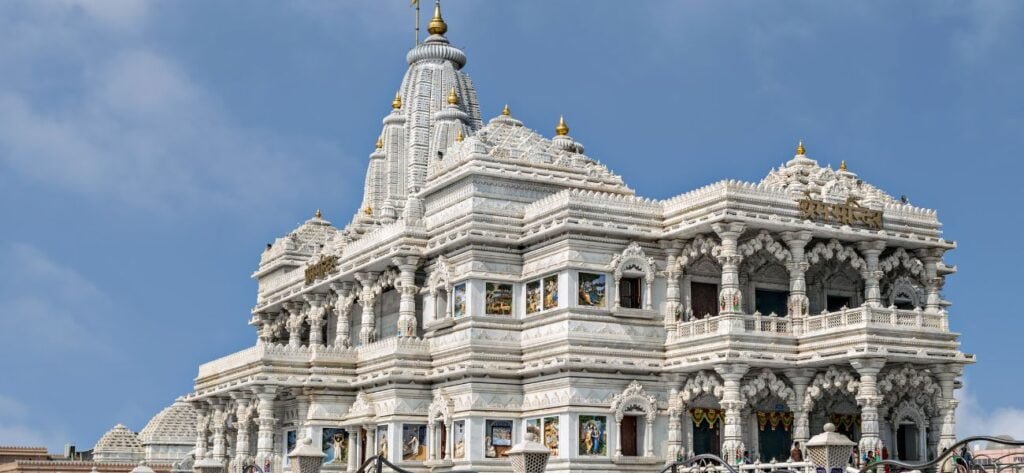
02 Days Mathura Vrindavan Tour
-
03 Days Mathura Vrindavan Tour
Original price was: ₹9,000.00.₹8,000.00Current price is: ₹8,000.00. -
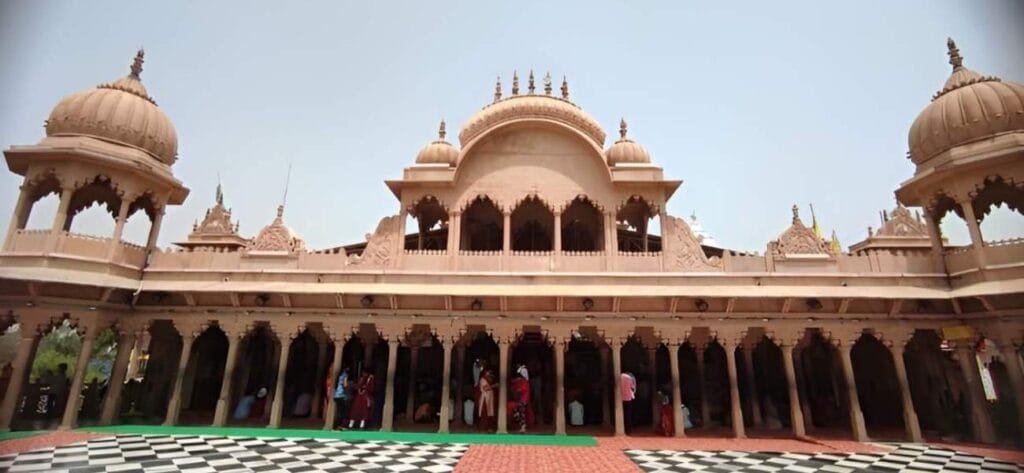
04 Days Agra Mathura Vrindavan Tour
-
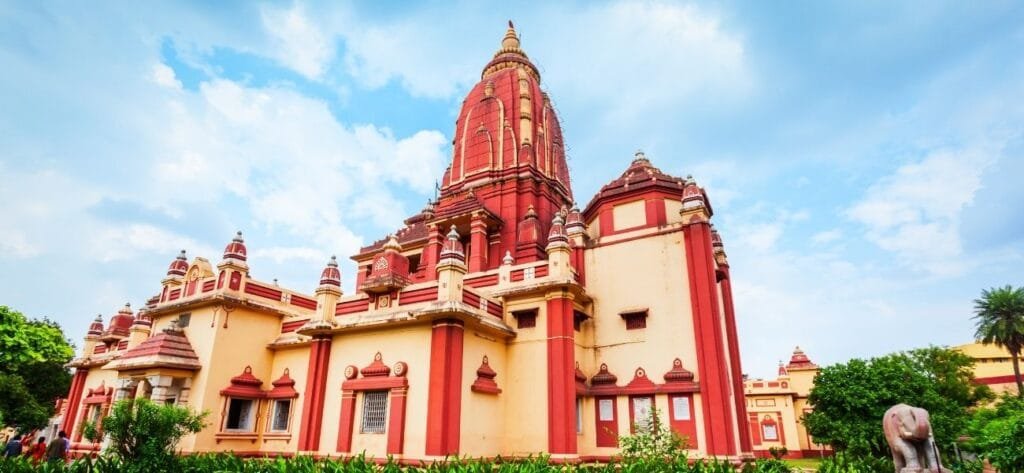
5 Days Braj 84 Kosh Yatra
🙏 Ready to Begin Your Mathura Yatra at Bhuteshwar Mahadev with Experience My India?
WhatsApp us and receive your personalised Mathura itinerary within 30 minutes – Bhuteshwar Mahadev darshan timing, Krishna Janmabhoomi queue strategy, Rudrabhishek coordination and complete Mathura circuit planned before you arrive. Packages from ₹1,999 per person.
WhatsApp +91-7302265809 – Book Now
Jai Shri Krishna 🙏