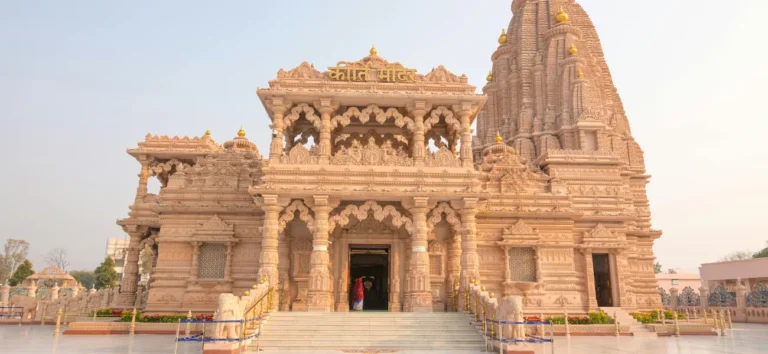
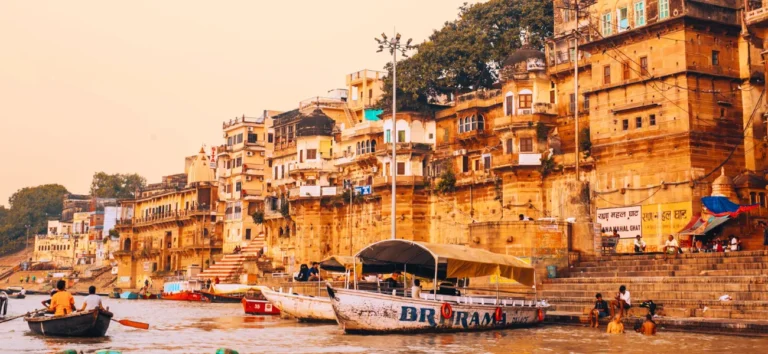
There is a small moment many travelers remember when they first arrive in Mathura or Vrindavan. The temple bells start ringing somewhere nearby, the narrow lanes slowly wake up, and the air carries that quiet chant of “Radhe Radhe.” It feels spiritual, yes — but also deeply alive. And yet, one question almost every traveler asks before planning the trip is simple: when is the right time to come here?
Because the experience of visiting these sacred towns changes a lot depending on the season. The weather, the festival crowds, the temple atmosphere — everything shifts. Understanding the Best Time to Visit Mathura Vrindavan helps travelers plan their journey better. Some months feel peaceful and slow, while others bring massive celebrations and thousands of devotees.
So before packing your bags, it helps to understand the Mathura Vrindavan weather and travel season, the festivals that shape the town’s rhythm, and what kind of experience each season offers.
Understanding the Spiritual Rhythm of Mathura and Vrindavan
Mathura and Vrindavan are not just destinations. They move according to a spiritual calendar. Temples open early in the morning, streets become lively during aarti hours, and certain months transform the entire town into a festival celebration.
Because of this, the Best Time to Visit Mathura Vrindavan is not only about weather. It is also about how you want to experience the place.
Some travelers come seeking peaceful darshan and quiet temple visits. Others specifically want to witness grand festivals like Holi or Janmashtami. Both experiences are beautiful, but they feel very different.
Interestingly, many visitors who come during calm months often say they connected more deeply with the temples. Meanwhile, festival visitors describe the energy as unforgettable, even if the crowds are intense.
That’s why the ideal time for Mathura Vrindavan trip really depends on what kind of spiritual experience you want.
Best Season to Visit Mathura Vrindavan for Pleasant Weather
For most travelers, winter months are considered the best season to visit Mathura Vrindavan. The weather becomes comfortable, making temple visits and sightseeing easier.
Winter Season (October to March)
The winter season temperatures typically range between 10°c to 25°c, making the mornings cool and the afternoons pleasant. The winter months are popular with many visitors because it makes walking through the temple corridors much easier. Walking around the city of Vrindavan is best accomplished on foot as some of the tributaries are narrow and their access to hidden temples and ghats can be difficult.
Many of Vrindavan’s visitors will recollect their trip long after they leave because winter mornings in Vrindavan are very calm and serene due to the early opening of the temples and the tranquil light across the Yamuna.
Thus, if you are looking for good travel weather and an acceptable amount of people at the same time, winter is typically considered to be the Best Time to Visit Mathura Vrindavan.
Festival Season: When Mathura Vrindavan Becomes Alive
Some travelers intentionally plan their visit during festival months. During these times, the towns transform completely.
Holi Festival (February–March)
Holi in Vrindavan and Mathura is not just a celebration — it is a spiritual cultural experience.
Temples organize flower Holi, traditional Lathmar Holi, and large devotional gatherings. The streets fill with colors, music, and devotional songs.
However, festival crowds increase dramatically. Hotels fill quickly, temple lines become longer, and traffic around major temples can slow down travel plans.
Still, many travelers say experiencing Holi here feels once-in-a-lifetime.
Janmashtami (August–September)
Janmashtami marks the birth of Lord Krishna, making it one of the most important celebrations in Mathura.
Temples decorate beautifully, devotional programs run throughout the night, and thousands of pilgrims gather for darshan.
While the weather can be humid during this time, the spiritual atmosphere becomes incredibly powerful.
For people who want to witness deep devotion and vibrant celebrations, these festivals define the ideal time for Mathura Vrindavan trip.
Summer Travel Season: Quiet but Challenging Weather
Summer months from April to June are usually the hottest period in this region. Temperatures can rise above 40°C.
Because of this, daytime temple visits become tiring for many travelers.
However, something interesting happens during this season. The crowds reduce significantly.
That means temple darshan becomes easier and quicker. Some experienced pilgrims even prefer summer mornings because they can visit multiple temples peacefully before the heat increases.
Still, most travelers consider summer less comfortable compared to winter. That is why many travel planners do not recommend summer as the Best Time to Visit Mathura Vrindavan, unless you are comfortable with hot weather.
Monsoon Season: A Different Kind of Beauty
From July to September, monsoon arrives in the region.
Rain showers cool down the weather slightly, and the surroundings start looking greener. Yamuna ghats appear more peaceful during this period.
However, sudden rains can sometimes affect travel schedules or sightseeing plans.
Despite that, the monsoon months still attract devotees because of festivals like Janmashtami.
For travelers who enjoy spiritual events and slightly quieter temple visits between rain showers, monsoon offers a unique experience within the Mathura Vrindavan weather and travel season cycle.

Daily Temple Schedule and Typical Darshan Routine
Understanding the daily rhythm of temples helps visitors plan their day better.
- Early morning temple darshan usually begins around 4:30 AM to 5:30 AM depending on the temple.
- Morning hours between 7 AM and 10 AM are often the busiest period for devotees.
- Many temples close for afternoon rest between 12 PM and 4 PM.
- Evening aarti begins around sunset and continues until 8 PM or later.
- Night darshan usually ends between 8:30 PM and 9:30 PM depending on the temple.
Because temple timings vary slightly, planning your schedule early in the day helps avoid long queues.
Interestingly, many experienced visitors say the early morning darshan hours feel the most peaceful.
Things Many Travelers Don’t Notice Before Visiting
People usually focus only on the Best Time to Visit Mathura Vrindavan, but there are other small details that influence the travel experience.
For example, weekends bring large crowds from nearby cities like Delhi and Agra. Temple lines can become longer during these days.
Another small detail many people overlook is the walking distance between temples. Vrindavan’s spiritual charm lies in exploring its lanes on foot. But during peak summer afternoons, this can become tiring.
Festival seasons also change the travel atmosphere. Roads may close near major temples, and vehicles sometimes have limited access near crowded areas.
These are not problems exactly — they are simply part of the living rhythm of these sacred towns.
Local Guide Tip
If you want peaceful darshan at Banke Bihari Temple, try visiting early morning on weekdays. After 9 AM the crowd increases quickly, especially during weekends and festival periods.
Planning Support Partner
Many travelers realize that managing temple timings, transport, and local routes together can become confusing. This is why some visitors prefer planning their journey with Mathura Vrindavan Tourism, especially when they want organized temple visits and comfortable local travel arrangements.
How to Reach Mathura Vrindavan
Reaching Mathura and Vrindavan is quite convenient because the region is well connected with major cities.
🚗 By Car
- Mathura is about 160 km from Delhi and can be reached in around 3–4 hours by road.
- Vrindavan is located around 15 km from Mathura city.
- Private taxis and highway travel make road journeys comfortable for families and groups.
🚆 By Train
- The nearest railway station is Mathura Junction.
- It is one of the major railway stations connected with cities like Delhi, Agra, Jaipur, Mumbai, and Varanasi.
- From Mathura station, taxis and auto-rickshaws easily reach Vrindavan within 20–30 minutes.
✈️ By Air
- The nearest airport is Delhi’s Indira Gandhi International Airport.
- From the airport, travelers usually continue by car or train to reach Mathura and Vrindavan.
FAQs – Best Time to Visit Mathura Vrindavan
The Best Time to Visit Mathura Vrindavan is generally between October and March. During these months, the weather remains pleasant, making temple visits and sightseeing easier for travelers.
Winter is widely considered the best season to visit Mathura Vrindavan because the temperature stays comfortable and ideal for exploring temples, ghats, and nearby spiritual places.
Yes, Holi is one of the most famous festivals celebrated here. Many travelers plan their trip around this time because the celebration in Vrindavan and nearby Barsana is unique and spiritually vibrant.
If you prefer a quieter experience, the ideal time for Mathura Vrindavan trip is during winter weekdays when the crowds are relatively manageable compared to weekends and festival seasons.
Summer, from April to June, can be very hot with temperatures often crossing 40°C. While temple visits are still possible, travelers usually plan early morning or evening darshan to avoid the heat.
Monsoon months from July to September bring occasional rain and slightly cooler weather. Although travel can be affected by showers, many pilgrims still visit during this time because of Janmashtami celebrations.
Usually, 2–3 days are enough to explore major temples like Banke Bihari Temple, Prem Mandir, ISKCON Temple, and important ghats in both cities.
The biggest festivals include Holi, Janmashtami, Radhashtami, and Kartik month celebrations. During these times, the entire region becomes spiritually vibrant and crowded with devotees.
Yes, weekends usually attract visitors from nearby cities like Delhi and Agra. As a result, temple queues and traffic may increase compared to weekdays.
Many travelers prefer organizing their temple visits and travel arrangements in advance. Planning with experienced local travel providers like Mathura Vrindavan Tourism can make the trip smoother and more comfortable.
Conclusion
Every place has its own rhythm. Mathura and Vrindavan follow a rhythm shaped by devotion, festivals, and daily temple life.
Some visitors remember the quiet winter mornings when temple bells echo softly across the lanes. Others remember the colors of Holi, the devotional chants during Janmashtami, or the peaceful ghats near Yamuna during monsoon evenings.
So the Best Time to Visit Mathura Vrindavan is not just about weather or travel convenience. It quietly depends on what you want to feel when you stand inside those temple courtyards — calm reflection, vibrant celebration, or simply a moment where the noise of everyday life fades away for a while.
Contact Mathura Vrindavan Tourism Today:
Call Us: +91 7300620809
WhatsApp Us: +91 7300620809
Visit Our Website: Mathura Vrindavan Tourism
Email: mathuravrindavantourism.com@gmail.com
Mathura Vrindavan Tourism is a Unit of Experience My India
Experience My India Trip Advisor Review
And sometimes, that moment arrives exactly when you least expect it.