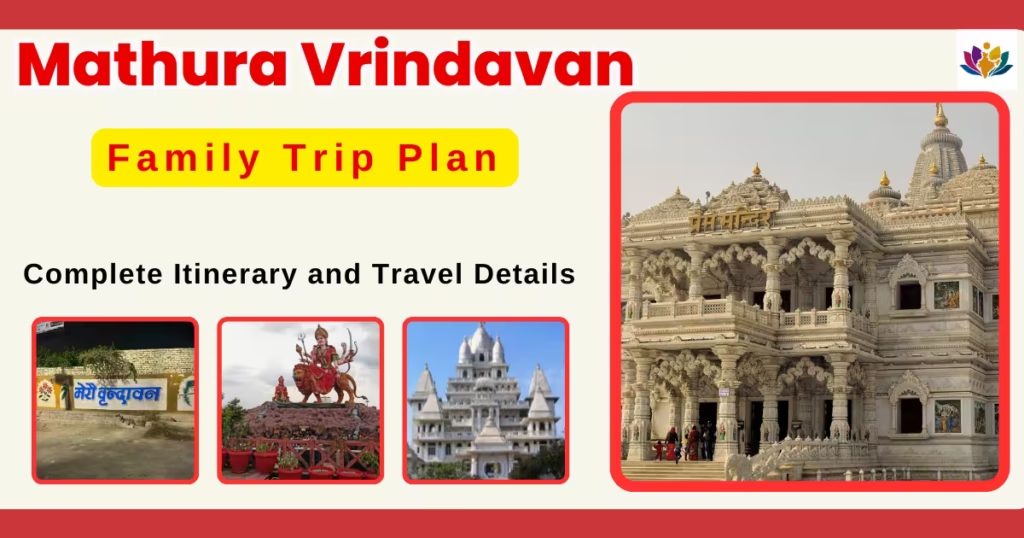
There’s a moment most travellers from Delhi or nearby cities recognise. You want to visit Mathura and Vrindavan, but the planning gets messy fast. Which temples first. How much walking is involved. Will crowds ruin the mood. And the biggest question of all: should this be a rushed day trip or a calmer overnight plan?
In my experience, Mathura Vrindavan packages work best when they slow you down just enough. These towns aren’t about ticking off places. They’re about rhythm. Darshan, waiting, walking, sitting quietly for five minutes longer than planned. When travel is organised with that in mind, the journey feels spiritual instead of exhausting.
This guide walks you through how Mathura Vrindavan tour packages actually unfold on the ground. Not brochure talk. Real movement. Real crowd behaviour. And a two-day itinerary that feels complete without feeling heavy.
About Mathura Vrindavan Packages
Mathura and Vrindavan sit close on the map, but emotionally they feel different.
Mathura carries weight. Birthplace energy. Bigger roads. Structured temple systems. Vrindavan feels softer, narrower, more inward-looking. Songs float through lanes. Monkeys appear without warning. Time bends a little.
That’s why Mathura Vrindavan travel packages are usually planned together. One gives context. The other gives feeling. Separating them often leaves travellers feeling something is unfinished.
Surprisingly, people who try to rush both in one day often remember the stress more than the devotion. Two days change everything.
Why Mathura Vrindavan Temple Packages Need Thoughtful Planning
Temple timing isn’t flexible here. Crowds don’t move logically. And faith doesn’t follow schedules.
Good Mathura Vrindavan temple packages plan around:
- Early morning darshan windows
- Afternoon rest periods
- Evening aarti rhythms
Bad planning tries to fight crowds instead of flowing around them.
Local Guide Tip
Most locals visit temples before 8:30 AM or after 7:00 PM. Midday is for rest, not darshan.
2 Days Mathura Vrindavan Itinerary (Realistic & Calm)
Day 1: Mathura – Where the Story Begins
Mathura Arrival and Morning Darshan
- Best arrival time: before 7:00 AM
- Ideal for: families, senior citizens, first-time visitors
Morning in Mathura feels grounded. Streets are active but not loud. This is the best window for darshan without crowd pressure.
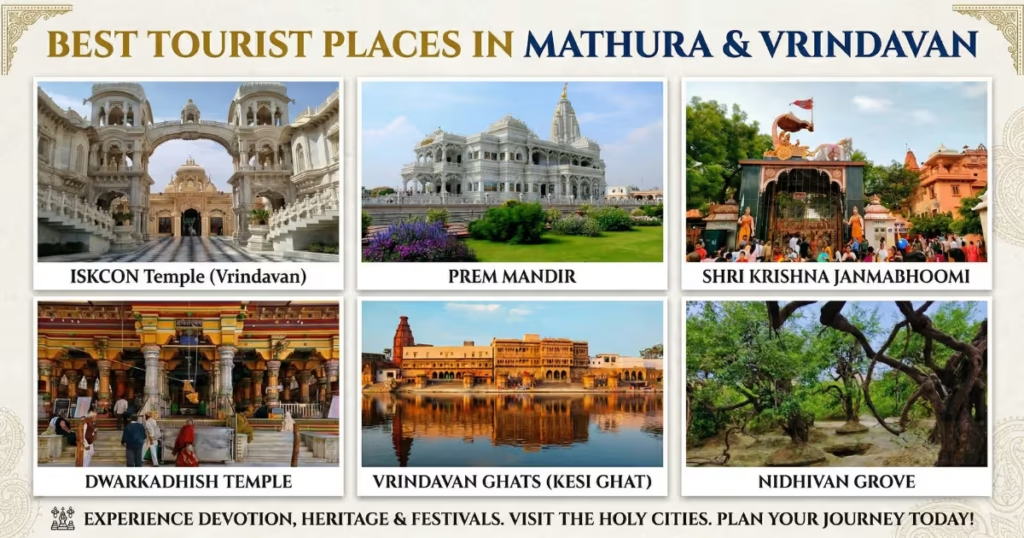
Shri Krishna Janmabhoomi
- Crowd level: Moderate in early morning, heavy by late morning
- Darshan style: Structured, security-controlled
- Best for: Pilgrims seeking emotional clarity
Standing here doesn’t take long. Waiting does. And strangely, the waiting becomes part of the experience.
Local Guide Tip
Keep phones in simple cloth pouches. Security checks are faster and calmer.
Dwarkadhish Temple & Vishram Ghat
- Dwarkadhish crowd: Medium to heavy by noon
- Vishram Ghat: Calm in late afternoon
By early afternoon, movement slows naturally. A short break near Vishram Ghat helps reset energy before heading to Vrindavan.
Evening transfer to Vrindavan. Overnight stay.
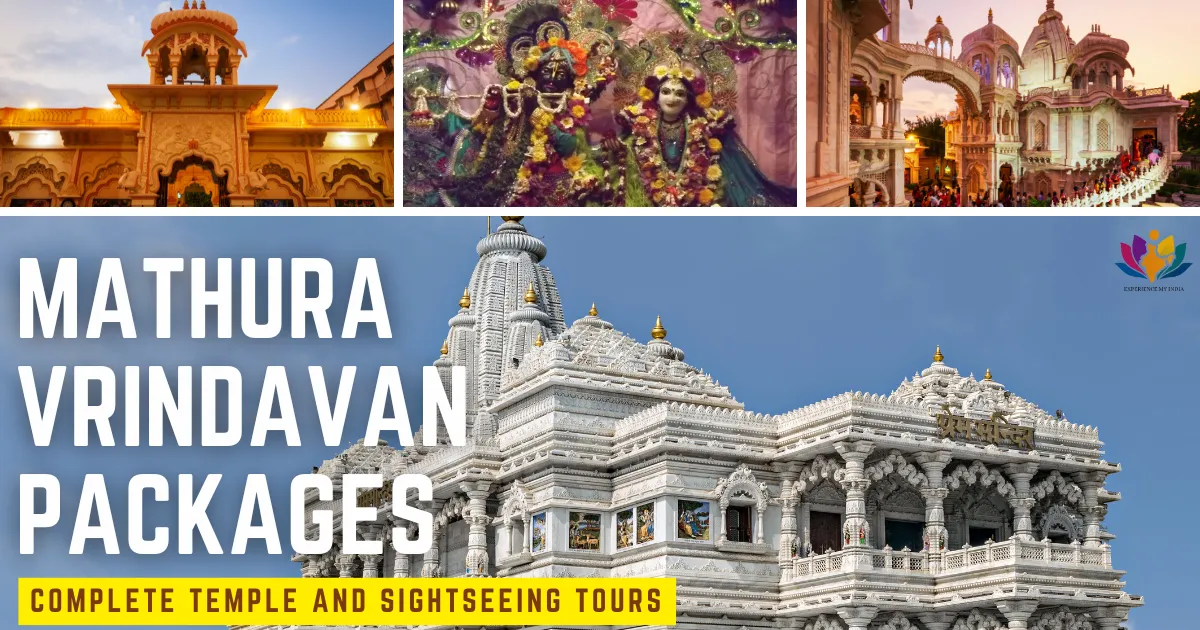
Day 2: Vrindavan – Where Time Softens
Early Morning in Vrindavan
- Best start time: 5:30–6:00 AM
- Crowd type: Devotees, elderly pilgrims, serious seekers
Morning Vrindavan feels intimate. Bells, soft chanting, quiet lanes.
Banke Bihari Temple
- Crowd level: Very high after 8:00 AM
- Darshan style: Short, emotionally intense
- Best for: Devotional travellers
Darshan is brief. Emotion is not.
Local Guide Tip
Stand slightly toward the side. Central crowds compress faster.
Radha Vallabh & Madan Mohan Temples
- Crowd: Light to moderate
- Walking required: Minimal
- Ideal for: Elderly travellers and families
These temples balance the intensity of Banke Bihari beautifully.
Prem Mandir (Evening)
- Crowd: Heavy but organised
- Best time: After sunset
- Experience: Visual, reflective, slow
Return or continue onward journey.
Festival Celebrations Worth Knowing About
Festivals amplify everything. Faith. Crowds. Noise. Emotion.
- Janmashtami: Spiritually powerful, physically demanding
- Holi: Colorful, intense, not beginner-friendly
- Radhashtami: Devotional, calmer than Janmashtami
First-time visitors often enjoy non-festival days more.
Safety Tips for First-Time Visitors
- Carry minimal belongings
- Use crossbody bags or zipped pouches
- Stay hydrated, even in winter
- Follow temple instructions without argument
Local Guide Tip
Avoid debating with volunteers. Calm cooperation saves time and energy.
How to Reach Mathura Vrindavan
By Car
- From Delhi: ~180 km
- Travel time: 3.5–4.5 hours
- Best for: Families, flexible schedules
By Train
- Nearest station: Mathura Junction
- Frequent trains from Delhi
- Best for: Senior citizens, solo travellers
And By Air
- Nearest airport: Agra or Delhi
- Road travel required after landing
- Least practical for short trips
For most travellers, train plus local transport works best.
Why Mathura Vrindavan Tourism Fits Well for These Journeys
Many trips fail because they try to compress devotion into checklists.
Mathura Vrindavan Tourism, as a Planning Support Partner, focuses on pacing. Not rushing darshan. Not overloading days. Understanding when to move and when to pause. That approach suits Mathura and Vrindavan more than rigid schedules ever could.
FAQs: Mathura Vrindavan Packages
Yes, two days are usually enough if the trip is planned properly. You can cover the main temples, attend key aartis, and still have time to rest. Trying to rush everything into one day often feels tiring and incomplete.
October to March is generally the most comfortable period. Weather stays pleasant for walking and darshan. Summers can be exhausting, while monsoon months are quieter but sometimes unpredictable.
They can be, provided the itinerary is relaxed. Early morning darshan, nearby hotels, and limited walking make a big difference. In my experience, seniors enjoy Vrindavan more when afternoons are kept free.
Weekends are noticeably busier, especially Banke Bihari Temple and Shri Krishna Janmabhoomi. Early mornings help avoid peak crowds. Weekdays are calmer and easier to manage.
It’s possible, but it often feels rushed. You’ll spend more time on the road than inside temples. A one-night stay allows the experience to settle instead of feeling hurried.
Clean, mid-range hotels near temple areas work best. Luxury hotels are not necessary. Comfort, cleanliness, and proximity matter more than extra facilities.
Most major temples restrict phones and cameras. Some provide lockers, others require leaving devices in vehicles. It’s better to carry as little as possible during darshan.
Yes, Vrindavan is generally safe and well-patrolled. Like any pilgrimage town, staying alert in crowded areas is important. Families often feel comfortable during daytime and early evenings.
Modest, breathable clothing is best. Cotton outfits work well year-round. Avoid slippery footwear, as temple floors can get crowded and uneven.
Most packages include local transfers between temples and cities. This helps reduce confusion and saves energy, especially for first-time visitors unfamiliar with local routes.
Conclusion
Mathura Vrindavan packages aren’t about distance or duration. They’re about intention. When temples are visited at the right hour, when walking is balanced with rest, and when expectations stay realistic, even two days feel complete.
Contact Mathura Vrindavan Tourism Today:
Call Us: +91 7300620809
WhatsApp Us: +91 7300620809
Visit Our Website: Mathura Vrindavan Tourism
Email: mathuravrindavantourism.com@gmail.com
Mathura Vrindavan Tourism is a Unit of Experience My India
Experience My India trip advisor review – Click Here
These towns don’t demand speed. They ask for attention. And when you give them that, quietly, they give something back that stays long after the journey ends.