There’s a moment that usually happens in Vrindavan, though people rarely talk about it.
It’s not when you first see a temple spire,
it’s not even when you hear the bells,
it’s when you slow down without meaning to.
Your walk becomes unhurried. Your voice drops. And your phone stays in your pocket longer than planned. And suddenly, you realize this town doesn’t respond to speed or checklists. Vrindavan responds to attention.
This list of Temples in Vrindavan Curated by Indresh isn’t about covering everything. It’s about visiting the places that quietly shape what Vrindavan actually feels like—temples that hold stories, silences, contradictions, and rhythms that don’t reveal themselves in one visit.
If you’ve come looking for perfection, Vrindavan may confuse you.
If you’ve come looking for presence, it will stay with you.
Book Now Your Mathura Vrindavan Tour Package.
Vrindavan, Before the Temples
Vrindavan is not a city built around temples.
It’s a city that grew with them.
Every lane seems to know a story. Every corner feels like it has overheard something sacred. This is the land of Krishna’s childhood—playful, mysterious, sometimes messy, never distant.
That’s why Famous temples in Vrindavan don’t feel like monuments. They feel lived in.
Festivals here are loud. Daily rituals are quiet. And devotion isn’t always dramatic—it’s often habitual.
1. Banke Bihari Temple – Where Control Is Gently Taken Away
Banke Bihari Temple doesn’t let you settle.
Darshan here happens in short moments. Curtains open. Curtains close. You look. You bow. You’re moved along.
At first, people resist this. They want more time. More stillness.
But over time, you realize the point. This temple teaches surrender not through silence, but through interruption.
Darshan Timings (Approximate):
Morning and evening sessions, with afternoon closure
No Mangala Aarti as commonly practiced elsewhere
Festivals like Jhulan Yatra and Holi turn this place into controlled chaos—joyful, overwhelming, unforgettable.
2. Prem Mandir – Where Devotion Becomes Visible
Prem Mandir feels modern, but its intent is old.
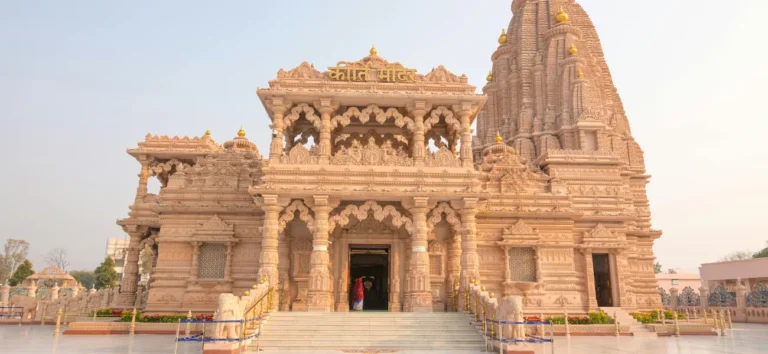
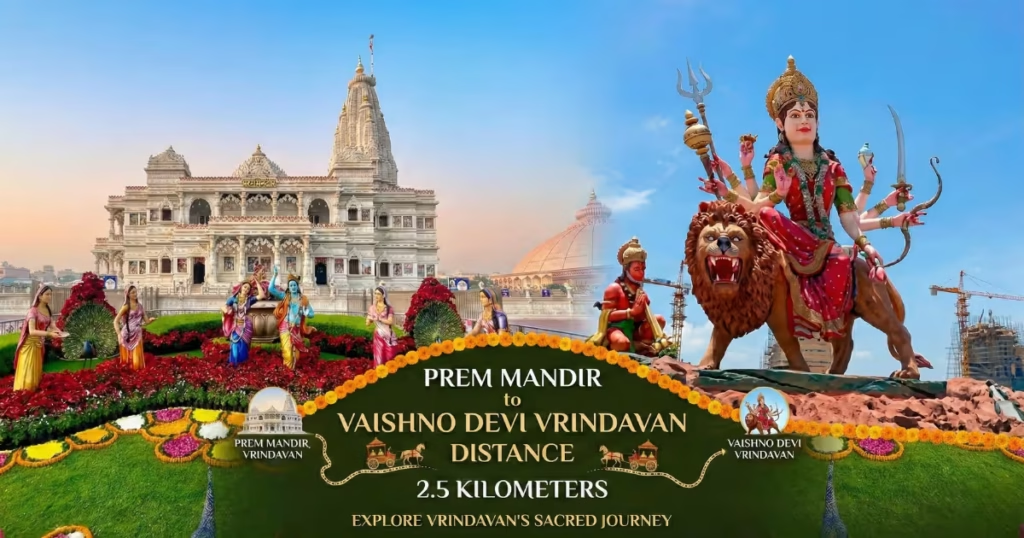
White marble, detailed carvings, and evening lights tell stories from Krishna’s life in scenes rather than symbols. People often underestimate it, thinking it’s too new to be meaningful.
But watch visitors during the evening aarti or light show. Many stand quietly, eyes following the carvings, not speaking.
Aarti & Light Show:
Evenings, after sunset
Prem Mandir reminds you that devotion doesn’t always have to be austere. Sometimes, beauty opens the heart first.

3. ISKCON Temple – Where Structure Meets Surrender
ISKCON Vrindavan feels organized in a town that isn’t.
Clear timings. Clean spaces. Disciplined chanting.
And yet, the devotion inside feels deeply emotional. The kirtans are immersive. People sing like they mean it.
Darshan & Aarti:
Morning Mangala Aarti before sunrise
Evening Sandhya Aarti with kirtan
Among all Spiritual places to visit in Vrindavan, this one often surprises visitors with how deeply it pulls them in.
4. Radha Raman Temple – Where the Deity Chose Himself
Radha Raman Temple holds one of Vrindavan’s quiet miracles.
The deity here is believed to have manifested on its own—from a Shaligram Shila. There’s no Radha idol beside Krishna, yet Radha is always present, symbolized through devotion itself.
This temple doesn’t attract crowds the way others do. And that’s its strength.
Darshan Timings:
Early morning and evening
The silence here feels intentional, not accidental.
Explore All Our Tour Packages.
5. Madan Mohan Temple – Where Vrindavan Begins to Look Back at You
Perched near the Yamuna, Madan Mohan Temple offers something rare—a view.
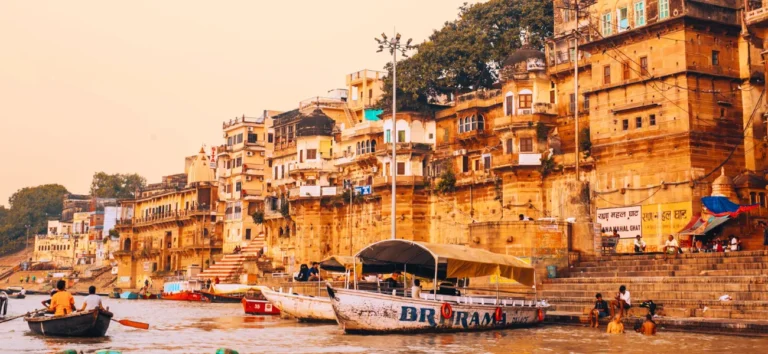
From here, Vrindavan spreads out below. The river glimmers quietly. The town feels older from this height.
This is one of the oldest temples in Vrindavan, deeply connected to Sanatan Goswami.
Aarti:
Morning and evening
Standing here, you don’t just look at Vrindavan. Vrindavan looks back at you.
6. Govind Dev Ji Temple – Where Grandeur Met History
Govind Dev Ji Temple once stood tall—seven stories high. It was a statement of devotion and power.
History intervened. What remains today is part of that structure, still majestic, still dignified.
The open roof lets sunlight in during aarti, creating an atmosphere that feels unfinished yet complete.
Darshan Timings:
Morning and evening
This temple carries the weight of what was lost—and what remained.
7. Nidhivan – Where Stories Refuse to Stay Still
Nidhivan is not a place you “visit.”
It’s a place you approach carefully.
Locals leave before sunset. Windows remain closed at night. Stories circulate quietly, without insistence.
No one claims certainty here. And that uncertainty is the point.
Visiting Time:
Daytime only
Among all Temples in Vrindavan Curated by Indresh, Nidhivan teaches restraint—knowing when not to look further.
8. Radha Vallabh Temple – Where Love Takes Center Stage
Radha Vallabh Temple places Radha at the heart of worship.
There is no Krishna idol in the traditional sense. Instead, devotion itself becomes the focus.
The rituals here feel intimate. Less performance. More feeling.
Aarti & Bhog Timings:
Morning and evening
It quietly redefines what devotion looks like.
9. Rangji Temple – Where South Meets North
Rangji Temple feels different the moment you enter.
Dravidian architecture. Structured rituals. Calm precision.
This temple bridges traditions—South Indian Vaishnavism thriving in North India’s most playful town.
Darshan Timings:
Morning and evening
It reminds you that Vrindavan holds space for many expressions of faith.
10. Seva Kunj & Radha Damodar Temple – Where the Day Ends Softly
Seva Kunj is believed to be where Krishna performed Ras Leela. Nearby, Radha Damodar Temple anchors the space with devotion and study.
The atmosphere here feels gentle, especially in the evening.
Visiting Time:
Daytime and early evening
This is a good place to end your day—not with answers, but with calm.
Festivals That Change Everything
Vrindavan transforms during festivals:
- Holi: Unrestrained, colorful, emotional
- Janmashtami: Long nights, chanting, waiting
- Radhashtami: Devotion turns inward
During festivals, darshan timings stretch, crowd rhythms change, and patience becomes part of worship.
Why Many People Explore With Mathura Vrindavan Tourism
Understanding Vrindavan isn’t about knowing facts.
It’s about timing, movement, and mood.
Mathura Vrindavan Tourism often helps visitors structure their Vrindavan temple sightseeing tour in a way that respects both the temples and the person visiting them—without rushing or turning devotion into a schedule.
Contact Mathura Vrindavan Tourism Today:
Call Us: +91 7300620809
WhatsApp Us: +91 7300620809
Visit Our Website: Mathura Vrindavan Tourism
Email: mathuravrindavantourism.com@gmail.com
10 Informative FAQs
1. How many days are ideal for temple visits in Vrindavan?
At least two full days.
2. Are temple timings fixed?
They vary by season and festival.
3. Is early morning the best time for darshan?
Often, yes—especially for quieter experiences.
4. Can all temples be visited in one day?
Physically, maybe. Emotionally, no.
5. Are there dress guidelines?
Modest clothing is advised.
6. Is photography allowed inside temples?
Usually restricted.
7. Are temples crowded year-round?
Crowds peak on weekends and festivals.
8. Is walking between temples feasible?
Yes, but distances add up.
9. Are these temples suitable for elderly visitors?
Most are, with planning.
10. Why follow a curated temple list?
Because Vrindavan reveals itself better when approached thoughtfully.