There’s a moment most first-time visitors have in Vrindavan. You arrive with a list. Famous temples. Aarti timings. A tight plan. And within a few hours, that list quietly stops mattering.
Vrindavan doesn’t work like a checklist. It works like a mood.
In my experience, people searching for places to visit at Vrindavan often want clarity. What to see. What not to miss. How to manage time. Fair questions. But here’s the thing. Vrindavan reveals itself slowly. You don’t rush it. You walk, pause, wait, and sometimes just stand still while bells ring somewhere nearby.
This guide walks you through the places to visit at Vrindavan, not as a rushed sightseeing loop, but as a lived experience. Temples, ghats, quiet corners, and the rhythm that connects them all.
About Vrindavan – More Than a Town, Less Than a Destination
Vrindavan isn’t loud about its importance. It doesn’t need to be.
This small town on the banks of the Yamuna is woven deeply into the stories of Lord Krishna’s childhood. Every lane, every temple, every ghat carries some version of that memory. Some are grand. Some barely noticeable unless you’re looking closely.
Surprisingly, Vrindavan today is a mix. Ancient devotion and modern crowds. Silent morning parikramas and packed evening aartis. Both exist side by side.
If you arrive expecting calm everywhere, you might feel overwhelmed. If you arrive ready to adapt, Vrindavan feels generous.
A Short History That Still Shapes Vrindavan
Historically, Vrindavan grew not as a royal city, but as a devotional settlement. Saints, poets, and devotees shaped it more than kings. Chaitanya Mahaprabhu’s influence, the Bhakti movement, and the rediscovery of sacred sites turned Vrindavan into a spiritual anchor over centuries.
What matters today is this. Temples here aren’t museums. They’re active. Lived in. Worshipped daily. That’s why timing, patience, and respect matter more than photography angles.
Famous Temples in Vrindavan to Visit (And How They Feel)
Banke Bihari Temple
This is where most people start. And yes, it’s crowded.
Darshan happens in brief glimpses. Curtains open. Curtains close. The logic is simple. You don’t stare. You receive darshan. In my experience, first-timers often feel confused here. That’s normal.
Local Guide Tip: Visit early morning or on weekdays. Evening darshan is powerful but physically demanding.

ISKCON Temple (Krishna Balaram Mandir)
Structured. Organised. Calm.
For visitors unfamiliar with Vrindavan’s intensity, ISKCON offers a softer entry. Clean spaces, clear bhajan schedules, and quieter corners for reflection.
It’s especially helpful for families and senior travellers.
Prem Mandir
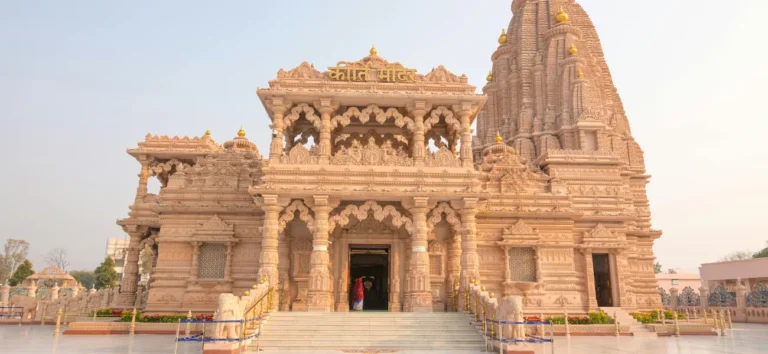
Visually stunning, yes. But don’t treat it as just a photo stop.
Prem Mandir works best in the evening. Light changes. Music plays softly. People slow down. The temple explains Krishna’s leelas through carvings, which surprisingly helps visitors connect emotionally.
Local Guide Tip: Visit after sunset, but avoid weekends if crowds feel overwhelming.
Radha Vallabh Temple
Less crowded. Deeply devotional.
This temple focuses on Radha more than Krishna. The atmosphere is intimate. You feel like a guest, not an observer.
Madan Mohan Temple
One of the oldest temples in Vrindavan.
It sits slightly elevated, offering quiet views and a sense of age that newer temples don’t have. Fewer crowds, more space to breathe.
Ghats in Vrindavan – Where the Town Slows Down
Keshi Ghat
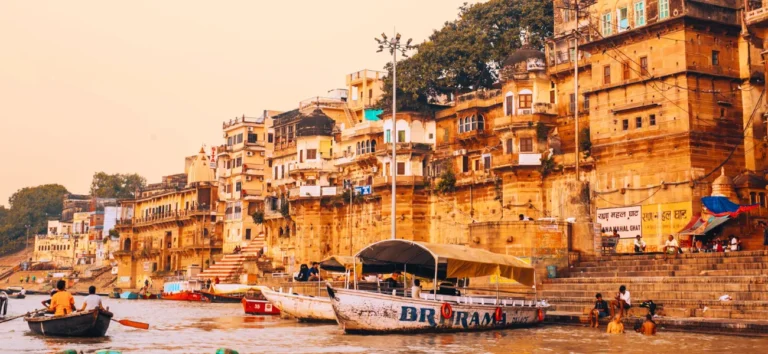
Probably the most photographed ghat. And for good reason.
Morning light here is gentle. Boats drift slowly. Pilgrims bathe quietly. Evenings can be busier, but mornings belong to those who arrive early.
Yamuna Ghat (Various Smaller Ghats)
Not all ghats have names tourists remember.
Some are just steps leading into the river. These often become the most meaningful moments. Sitting quietly. Watching priests prepare lamps. Listening to temple bells float across the water.
In my experience, ghats work best when you don’t rush them.
Other Important Places Near Vrindavan Worth Visiting
Nidhivan
This isn’t a sightseeing spot. It’s a belief.
Locals say Krishna still performs Raas Leela here at night. Entry is restricted after sunset. Trees grow twisted. Silence feels heavier.
Whether you believe the stories or not, Nidhivan leaves an impression.
Seva Kunj
Calmer, greener, and less intense than Nidhivan.
It pairs well with an afternoon visit when crowds thin slightly.
Govardhan (Near Vrindavan)
Often added as a day trip.
Govardhan Parikrama is long. You don’t rush it. Many visitors choose partial routes, which is fine.
Local Guide Tip: Start early. Heat builds fast, even in winter afternoons.
Best Time to Visit Vrindavan (What People Don’t Always Tell You)
October to March is ideal. Comfortable weather. Manageable walking conditions.
Summer months are harsh. Temples remain open, but walking becomes tiring quickly.
Festival periods like Holi and Janmashtami are powerful, but crowded beyond imagination. Worth it for some. Not for everyone.
In my experience, weekdays outside major festivals offer the best balance.
Safety Tips for Visiting Vrindavan
- Keep valuables minimal near crowded temples
- Wear modest, breathable clothing
- Follow temple rules strictly, especially photography restrictions
- Stay hydrated, even in cooler months
- Don’t argue with temple volunteers. Patience goes a long way
Local Guide Tip: Always carry small cash. Digital payments don’t work everywhere.
How to Reach Vrindavan (Practical, Not Promotional)
By Car
- Vrindavan is about 12 km from Mathura
- Roads are decent but crowded near temple areas
- Parking is usually outside main zones
By Train
- Nearest major station: Mathura Junction
- From Mathura, autos, e-rickshaws, and taxis are easily available
And By Air
- Nearest airport: Agra or Delhi
- Road journey is unavoidable after landing
For most travellers, train or road via Mathura is the simplest option.
Why Mathura Vrindavan Tourism Fits This Journey Well
Vrindavan trips don’t fail because of distance. They fail because of poor pacing.
Mathura Vrindavan Tourism focuses on realistic movement. Temples are grouped sensibly. Walking distances are respected. Darshan timing isn’t forced. As a planning support partner, the approach stays practical, especially for families, senior citizens, and first-time visitors.
Contact Mathura Vrindavan Tourism Today:
Call Us: +91 7300620809
WhatsApp Us: +91 7300620809
Visit Our Website: Mathura Vrindavan Tourism
Email: mathuravrindavantourism.com@gmail.com
Mathura Vrindavan Tourism is a Unit of Experience My India
Experience My India trip advisor review – Click Here
That balance matters here.
FAQs – Places to Visit at Vrindavan
Ideally, 2 to 3 days are enough to experience the key temples and ghats without rushing. One day often feels tight because darshan queues and walking time add up. If you want calmer mornings and evenings, stretching to three days works better.
Early mornings between 5:00 AM and 8:00 AM are the calmest for temple visits. Evening aartis are powerful but crowded, especially at Banke Bihari Temple. Midday hours are best kept for rest or lighter sightseeing.
Most major temples like Banke Bihari, ISKCON, Radha Vallabh, and Madan Mohan are within short distances. However, walking between them can still take time due to narrow lanes and crowds. Using e-rickshaws helps reduce fatigue.
Yes, Vrindavan can be comfortable if planned properly. Choosing hotels near temples, visiting during off-peak hours, and avoiding long standing queues makes a big difference. Some temples like ISKCON and Prem Mandir are especially senior-friendly.
Yes, but pacing matters. Morning temple visits followed by evening time at ghats like Keshi Ghat works well. Trying to cover too many places in one day often leads to exhaustion rather than enjoyment.
There’s no strict uniform dress code, but modest clothing is expected. Covered shoulders, full-length bottoms, and breathable fabrics are ideal. During summer, light cotton clothes help manage heat and long waits.
Photography is generally not allowed inside temple premises, especially at Banke Bihari Temple. Ghats usually allow photography, but it’s best to be respectful and avoid photographing people during prayers or rituals.
October to March is the most comfortable time, with pleasant weather for walking and darshan. Summers are extremely hot, while festivals bring heavy crowds. Winter mornings can be foggy but peaceful.
Yes, major ghats like Keshi Ghat are safe and well-visited in the evenings. Still, it’s wise to stay in well-lit areas and avoid isolated river stretches late at night, especially if visiting alone.
Yes, Govardhan, Radha Kund, and Nandgaon can be added as day trips. However, they shouldn’t be rushed alongside full Vrindavan sightseeing. Allocating a separate day keeps the journey relaxed and meaningful.
Conclusion
Vrindavan doesn’t reward speed. It responds to presence.
The true places to visit at Vrindavan aren’t only temples and ghats. They’re moments. Aarti bells echoing at dusk. Quiet mornings by the Yamuna. A sudden calm inside a crowded temple.
If you arrive with patience, Vrindavan gives you more than you expected. And if you leave feeling slightly changed, that’s probably how it’s supposed to be.