If someone asks me to name one tourist place in mathura and vrindavan, I honestly pause. Because it’s not that simple. You don’t visit just one spot here. You walk through lanes where every corner feels like it belongs to a story. One temple is vibrant and chaotic. Another is quiet and deeply personal. And somewhere between morning aarti and evening lights, you realize this isn’t a checklist trip. It’s layered.
Still, if you’re planning properly, you need clarity. So let’s talk through the real tourist place in mathura and vrindavan options you genuinely shouldn’t miss — and how to experience them without getting overwhelmed.
Why Choosing the Right Tourist Place in Mathura and Vrindavan Matters
When people search for a tourist place in mathura and vrindavan, they usually find long lists. But not every place fits every traveler.
Some temples are intense and crowded. Others feel calm but require extra walking. And timing, honestly, changes everything.
Weekdays feel manageable. Weekends bring around 30–40% more footfall. Meanwhile, during Janmashtami and Holi, waiting time at major temples can stretch to 1–2 hours.
So instead of blindly following a Mathura Vrindavan tourist places list, it helps to understand the rhythm first.
Shri Krishna Janmabhoomi – The Core of Mathura
If you’re identifying one essential tourist place in mathura and vrindavan, Janmabhoomi sits at the center.
This is believed to be the birthplace of Lord Krishna. The atmosphere feels structured yet emotional.
Crowd reality:
- Early morning (6–8 AM): Moderate waiting, around 20–30 minutes
- Late morning: Queue builds quickly
- Festivals: 60+ minute wait possible
Security is tight. Phones and large bags are restricted. So travel light.
Although the energy here is intense, morning visits feel calmer. That’s the sweet spot.
Local Guide Tips
Reach before 7:30 AM if possible. After 10 AM, movement slows down.
Also, keep your ID handy near security. Searching for documents inside a crowd feels frustrating.
And don’t schedule another temple immediately after Janmabhoomi. Give yourself a short buffer.
Dwarkadhish Temple – Architectural Calm
Not far from Janmabhoomi, Dwarkadhish Temple offers a slightly different vibe.
It’s still an important tourist place in mathura and vrindavan, but crowd density feels lighter except during aarti.
Best visiting hour:
- 7 AM to 9 AM
- Late evening before closure
Afternoon closures between 12 PM and 4 PM catch visitors off guard. That’s when people stand outside wondering why doors are shut.
Plan around that.

Banke Bihari Temple – The Heartbeat of Vrindavan
If you ask anyone to name a must-see tourist place in mathura and vrindavan, Banke Bihari Temple will come up first.
But here’s the honest part. It’s beautiful. And it’s crowded.
Waiting time:
- Weekday mornings: 30–45 minutes
- Weekend: 60 minutes or more
- Holi season: Extremely dense
Crowd flow inside is dynamic. Darshan curtains open and close repeatedly, which creates wave-like movement.
If you’re uncomfortable with tight spaces, arrive early.
Local Guide Tips
Avoid late morning here. The temple lanes get packed.
Instead of parking close, get dropped slightly away and walk. It saves time.
And keep footwear minimal. Temple hopping means frequent removal.
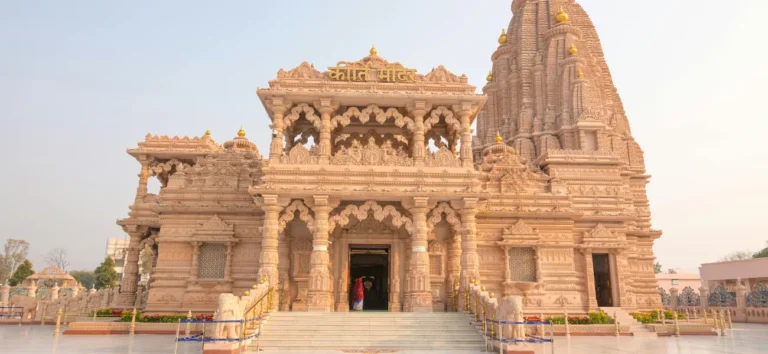
Prem Mandir – Open Space & Evening Light
Prem Mandir feels different. It’s spacious. It’s photogenic. And in the evening, it glows.
For many visitors, it becomes their favorite tourist place in mathura and vrindavan simply because of breathing space.
Best time:
- Just before sunset
- After 6 PM for lighting
However, exit traffic builds up post 7 PM. So if you’re driving, allow extra time.
ISKCON Temple – Structured Serenity
ISKCON offers organized darshan, clean surroundings, and devotional music that feels rhythmic.
It’s one of the more accessible places to visit in Mathura and Vrindavan for first-time travelers.
Crowd intensity is moderate compared to Banke Bihari. And because management is structured, waiting feels predictable.
Still, weekends see noticeable increase in footfall.
Crowd Surge Windows You Should Know
Festival Section
Certain dates completely change the experience:
- Janmashtami – Peak surge, 2+ hour waits
- Holi (especially in Vrindavan) – Extremely high tourist inflow
- Radha Ashtami – Moderate to heavy crowd
Booking pressure begins at least 3–4 weeks before these festivals.
Hotel prices rise. Local transport gets tighter. Darshan buffer time becomes necessary.
If you prefer calmer exploration, avoid peak religious days.
How to Reach
Reaching Mathura and Vrindavan is fairly straightforward.
By Car
- Yamuna Expressway connects Delhi to Mathura
- 3–4 hours travel
- Flexible for covering multiple temples
By Train
- Mathura Junction well connected
- 2–3 hours from Delhi
- Autos and taxis available for Vrindavan transfer
And By Air
- Nearest airport: Delhi
- Road transfer required afterward
Because towns are close to each other, road transport works best once you arrive.
Planning Support Partner
When covering multiple temples across Mathura and Vrindavan, coordination becomes the hidden challenge.
Temple timings differ. Afternoon closures interrupt flow. Traffic between towns eats time. And during festival windows, pricing pressure increases quickly.
That’s where structured planning through Mathura Vrindavan Tourism often helps streamline movement — aligning darshan slots, travel timing, and local transfers logically.
It’s not about rushing. It’s about reducing friction so you actually experience each tourist place in mathura and vrindavan instead of worrying about what’s next.
Contact Mathura Vrindavan Tourism Today:
Call Us: +91 7300620809
WhatsApp Us: +91 7300620809
Visit Our Website: Mathura Vrindavan Tourism
Email: mathuravrindavantourism.com@gmail.com
Mathura Vrindavan Tourism is a Unit of Experience My India
Experience My India Trip Advisor Review
FAQs – Top Tourist Places in Mathura and Vrindavan You Should Not Miss
If someone has limited time, Shri Krishna Janmabhoomi in Mathura and Banke Bihari Temple in Vrindavan are considered the most essential tourist place in mathura and vrindavan circuit. However, each temple offers a different experience.
Ideally, 2 days are comfortable for exploring the main tourist places in Mathura and Vrindavan without rushing. A one-day trip is possible, but it can feel hectic.
October to March is the most comfortable season. Summers are very hot, and temple queues become tiring during peak afternoon hours.
Yes, weekends usually see 30–40% higher footfall compared to weekdays. Morning visits are more manageable, especially at popular temples.
At Banke Bihari Temple, waiting time can range from 30–60 minutes on normal days. During festivals like Janmashtami or Holi, it may exceed 1–2 hours.
Yes. Many temples close between 12 PM and 4 PM for rest and rituals. Planning your visit around these timings avoids unnecessary waiting outside closed gates.
Generally, yes. Prem Mandir offers more open space and better crowd distribution. However, evening lighting hours still attract significant visitors.
Yes, but early morning visits are recommended. Avoiding peak crowd hours makes the experience more comfortable for elderly family members.
Yes, autos and taxis are available. However, during festival seasons, availability may reduce, and fares can slightly increase.
Following a structured Mathura Vrindavan travel guide helps manage temple timings, crowd flow, and travel routes efficiently, especially if you are visiting for the first time.
Conclusion
Choosing the right tourist place in mathura and vrindavan isn’t about ticking landmarks off a list. It’s about understanding how each temple feels at different hours, in different seasons, with different crowd levels.
If you move early, leave buffer time, and avoid peak rush where possible, the journey feels smoother.
And sometimes, the most memorable part isn’t the temple itself. It’s the quiet moment in between — when the bells fade, the lanes settle, and you realize you’re not just visiting. You’re absorbing.