There’s a point when planning a trip to Mathura and Vrindavan where everything starts feeling slightly confusing. You open maps, check temple lists, read about routes, and suddenly it doesn’t feel like a peaceful spiritual trip anymore. However It feels like a schedule you have to manage carefully, I’ve seen this happen with many travellers, and honestly, it usually starts with a simple thought—let’s just visit temples and come back. But the moment you start figuring out distances, darshan timings, and local transport, things begin to feel less clear.
That’s where a structured Vrindavan Mathura Tour Package quietly changes the experience. Not because you cannot plan it yourself, but because when everything is already aligned—temples, stay, and travel—you don’t spend your energy thinking about what comes next. You simply move through the journey.
Why a Vrindavan Mathura Tour Package Feels Different from a Normal Trip
At first glance, Mathura and Vrindavan look close on the map. And they are. But the experience of travelling between temples, understanding timings, and handling crowd flow is something people don’t fully realise until they reach.
Without a clear plan, the day starts feeling uneven. You reach one temple late, another one is closed for bhog, and suddenly your entire flow breaks. That’s why a proper Mathura Vrindavan travel package itinerary matters more than just knowing the locations.
It’s not about covering more places. It’s about covering them at the right time.
Understanding the Natural Flow of Mathura and Vrindavan
There’s a certain rhythm in these places. Mornings feel calm but purposeful, Afternoons slow down, and evenings become more devotional and active.
If you don’t align your visit with this rhythm, you’ll feel slightly out of sync. And that’s something most people notice only after their trip.
A good Vrindavan Mathura temple tour plan respects this flow instead of trying to control it.
Day-Wise Vrindavan Mathura Travel Package Itinerary
Day 1 – Arrival and Vrindavan Temple Visits
- Arrival in Mathura or Vrindavan
- Hotel check-in and short rest
- Visit Banke Bihari Temple
- Visit ISKCON Temple
- Evening at Prem Mandir
The first day often feels more emotional than expected. Banke Bihari Temple is not quiet or slow. It’s energetic, crowded, and constantly moving. At first, it may feel overwhelming. But after a few minutes, you start adjusting to the rhythm.
By evening, Prem Mandir changes the mood completely. The lighting, the space, the calm walking areas—it feels more open and relaxed.
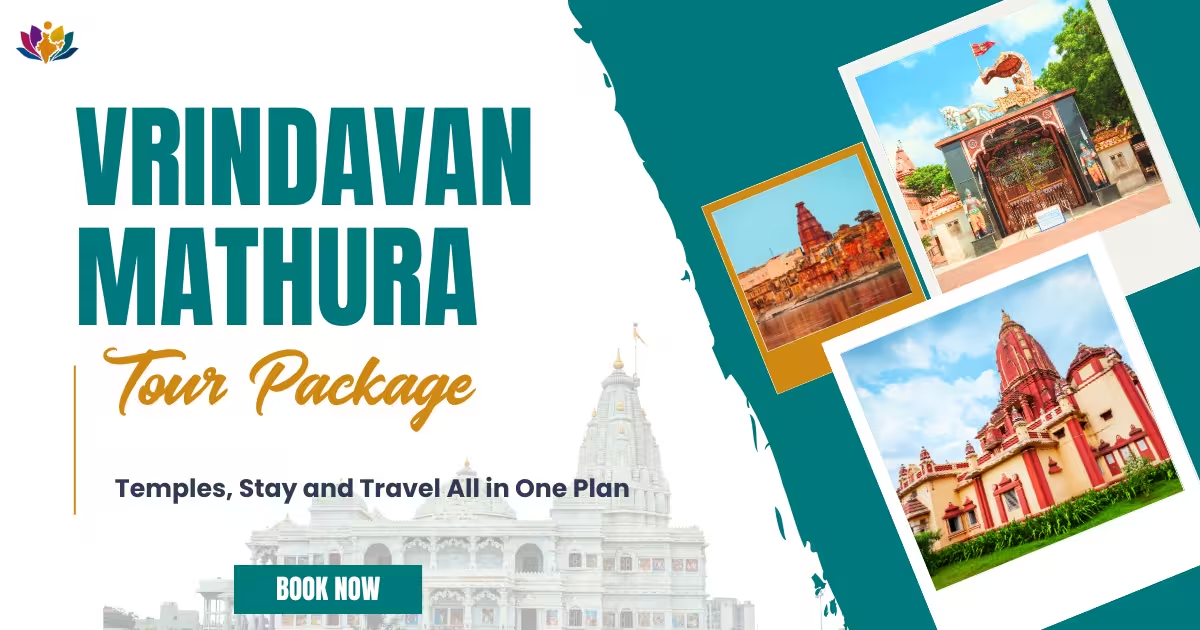
Day 2 – Mathura Exploration and Spiritual Core
- Early morning visit to Krishna Janmabhoomi
- Visit Dwarkadhish Temple
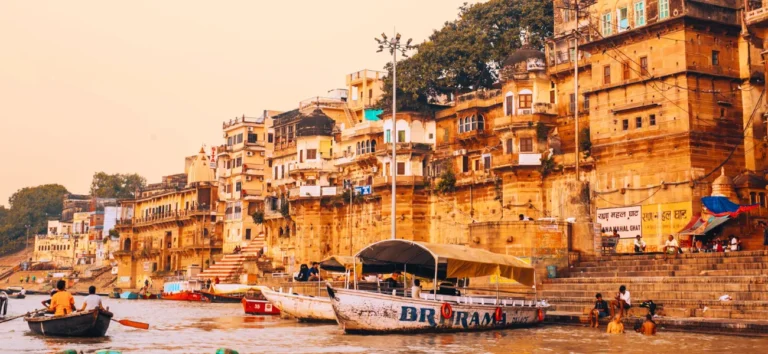
- Walk around Vishram Ghat
- Optional local market exploration
Mathura feels different from Vrindavan. It is slightly more grounded, less expressive, but deeper in its own way. The Vrindavan Mathura Tour Package usually places Mathura on the second day for a reason. After experiencing Vrindavan’s energy, Mathura’s calmness feels balanced.
Day 3 – Optional Visits and Departure
- Optional early morning temple visit
- Breakfast and check-out
- Return journey
This day is usually light. But many travellers choose to revisit one temple quietly before leaving. And that second visit often feels different from the first.
Temples That Shape the Entire Experience
A Vrindavan Mathura Tour Package is not about listing temples. It’s about how each temple feels different.
- Banke Bihari Temple: High energy, constant movement
- ISKCON Temple: Structured, peaceful, organised
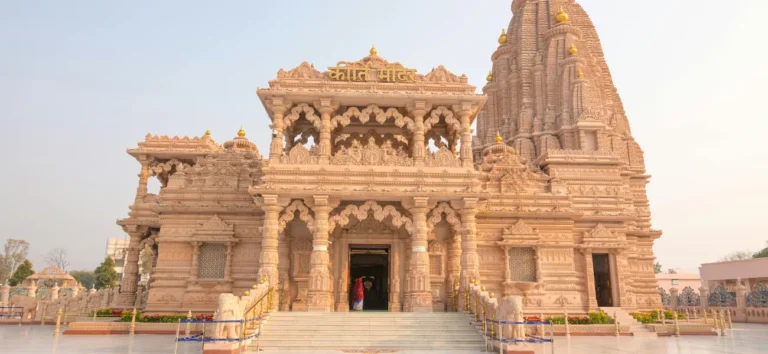
- Prem Mandir: Open space, visual experience
- Krishna Janmabhoomi: Deep, focused, controlled
Each temple brings a different pace. And together, they create balance.
Stay Options – Why Location Matters More Than Luxury
Many people focus on hotel ratings, but in Mathura and Vrindavan, location matters more.
Staying near temple areas helps in:
- Reaching early morning darshan easily
- Avoiding unnecessary travel
- Maintaining energy throughout the day
On the other hand, staying far might seem convenient at first, but it adds small delays that affect your entire plan.
Crowd Behaviour – Something Most Guides Don’t Explain
Crowds here are not random. They follow patterns.
- Early morning: Devotees, calmer movement
- Midday: Slower pace, fewer visitors
- Evening: Increased activity, especially in Vrindavan
Weekends bring more local visitors. Festivals increase both crowd size and emotional energy.
A well-planned Mathura Vrindavan trip from Delhi takes this into account instead of ignoring it.
Best Time to Plan Your Vrindavan Mathura Tour Package
- October to March: Best weather for comfortable travel
- April to June: Early visits required due to heat
- Monsoon: Less crowd, but humidity present
Festival periods like Holi and Janmashtami are powerful, but also intense. The experience becomes more about managing movement than quiet darshan.
A Small Realisation Most Travellers Have
There’s something I’ve noticed repeatedly.
People arrive with a checklist—visit this temple, then that one, then move on. But somewhere during the trip, that list starts losing importance.
You stop thinking about covering everything. You start focusing on where you are.
And that shift is what changes the entire experience.
Planning Support Partner
Planning a trip across Mathura and Vrindavan may look simple on paper, but managing temple timings, crowd flow, and local transport together often becomes confusing, That’s where Mathura Vrindavan Tourism supports travellers who prefer a smoother and more organised journey. With practical understanding of temple schedules and local routes, they help keep your Vrindavan Mathura Tour Package balanced and comfortable, especially during busy periods when timing and planning make a real difference.
Contact Mathura Vrindavan Tourism Today:
Call Us: +91 7300620809
WhatsApp Us: +91 7300620809
Visit Our Website: Mathura Vrindavan Tourism
Email: mathuravrindavantourism.com@gmail.com
Mathura Vrindavan Tourism is a Unit of Experience My India
Experience My India Trip Advisor Review
How to Reach Mathura and Vrindavan
🚗 By Car
- Distance from Delhi: Approx. 160 km
- Travel time: 3–4 hours via Yamuna Expressway
- Flexible and convenient option
🚆 By Train
- Nearest station: Mathura Junction
- Well connected to major cities
- Easy access to Vrindavan via local transport
✈️ By Air
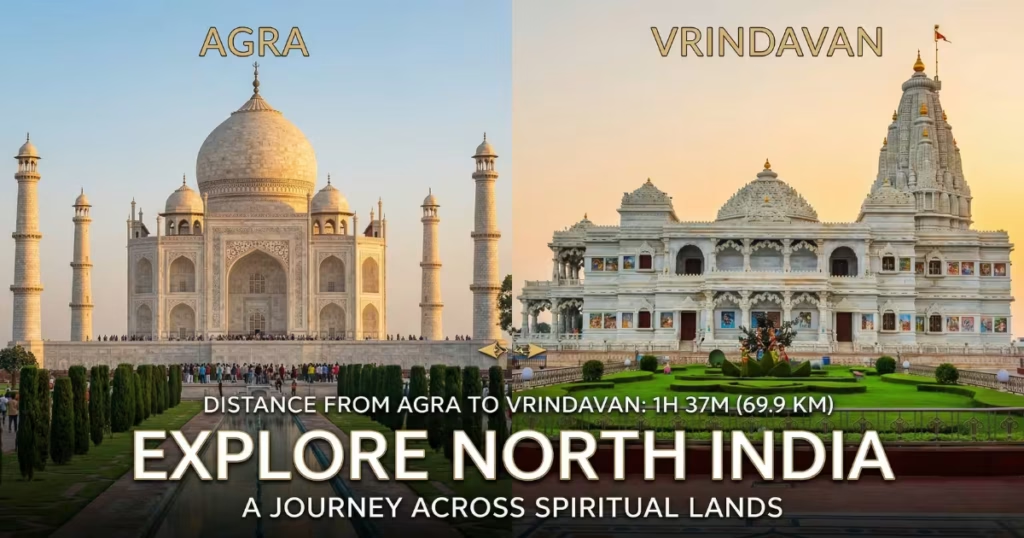
- Nearest airport: Delhi or Agra
- Road travel required after landing
- Best combined with car journey
Reaching here is straightforward. But how you move within the area matters more than how you arrive.
FAQs – Vrindavan Mathura Tour Package
A typical Vrindavan Mathura Tour Package includes hotel stay, local transport, and temple visits in both Mathura and Vrindavan. Some packages also include guided assistance for darshan and local sightseeing.
A 2 to 3-day trip is usually enough to comfortably visit major temples without rushing. It allows proper darshan and relaxed travel between locations.
The best time is from October to March when the weather is pleasant. Early morning visits are recommended during summer months due to heat.
Yes, it is possible, but not ideal. A one-day trip often feels rushed, and you may miss the deeper experience of temple visits.
The main temples include Banke Bihari Temple, ISKCON Temple, Prem Mandir, Shri Krishna Janmabhoomi, and Dwarkadhish Temple.
Yes, most packages include local transport, making it easier to travel between temples without confusion.
Most temples have free entry, but special darshan or VIP access may be available at certain places.
Yes, it is suitable for families, including elderly members, as the travel and temple visits are planned for comfort.
The distance is around 160 km, and it usually takes about 3 to 4 hours by road via Yamuna Expressway.
Yes, most tour packages allow customization based on your schedule, preferred temples, and travel style.
Conclusion
Trips like this don’t always leave you with clear memories. You may not remember every temple in detail. You may not recall the exact order of places.
But you remember how it felt.
The slow mornings, the waiting in lines, the quiet moments in between, And sometimes, long after the trip ends, you realise the experience didn’t stay in your photos, It stayed somewhere deeper, in a way that’s difficult to explain but easy to feel again.